
Airflow issues are one of the most common concerns for homeowners across Charlotte. Whether it is warm rooms that never cool down, vents with weak air pressure, or inconsistent temperatures from floor to floor, poor airflow can make daily living uncomfortable. As summer heat intensifies and HVAC systems run longer, restricted airflow forces the system to work harder, consuming more energy while still failing to deliver consistent comfort.
These problems often begin where most homeowners cannot see: inside the air ducts. Dust buildup, hidden blockages, and circulating contaminants reduce the system’s ability to push air throughout the home. Left unaddressed, airflow problems can lead to higher bills, uneven temperatures, and premature strain on the HVAC unit. This guide explains how duct cleaning solves airflow issues quickly and why Charlotte families benefit from keeping their duct systems clean, clear, and efficient.
Throughout this blog, you will find references to trusted airflow improvement resources and reliable home care guidance that help homeowners understand and maintain healthier HVAC performance.
Why Airflow Problems Are Common in Charlotte Homes
Between humid summers, rising pollen levels, and frequent system use, Charlotte’s climate creates ideal conditions for airflow disruptions. Dust and moisture combine inside ducts, forming stubborn buildup that narrows the passageways where air needs to travel freely.
Common causes of airflow issues in Charlotte
- Dust accumulation inside the duct walls
- Pet hair and dander caught in airflow pathways
- Moisture clinging to debris during humid seasons
- Partial blockages reduce vent pressure
- Leaks in the duct system are allowing air to escape
These issues intensify when HVAC systems run continuously during peak heat. Once airflow becomes restricted, rooms begin cooling at different rates, forcing the system to operate longer just to maintain a comfortable temperature.
Signs Your Home Has Airflow Problems
Homeowners often overlook airflow issues until they become severe. Recognizing early signs helps prevent expensive repairs and long-term inefficiency.
Common indicators of restricted airflow
- Weak air pressure from vents
- One room stays warmer or cooler than others
- HVAC is running longer than usual
- Musty odors circulate when the system starts
- Visible dust on vent covers
- Higher energy bills during the summer months
Charlotte homeowners often report warm second floors, inconsistent cooling, or vents that barely push air. These symptoms indicate that the air is not moving freely, usually due to dirty or obstructed ducts.
You can review additional airflow troubleshooting discussions through the educational section here:
explore helpful residential insights

How Duct Cleaning Restores Airflow Fast
One of the fastest ways to correct airflow problems is a professional duct cleaning. When dust, debris, and contaminants are removed from the system, airflow becomes smoother and more powerful.
How duct cleaning improves airflow
- Removes buildup blocking airflow paths
- Clears dust clusters restricting vent pressure
- Prevents moisture from sticking to debris
- Allows air to move evenly through all duct sections
- Helps restore balanced temperatures throughout the home
Humidity makes dust stick more aggressively inside duct walls. Cleaning the system breaks this buildup apart, giving the HVAC unit a clear pathway to push cool air throughout the house. Many homeowners feel improvements within hours because pressure and flow return to normal immediately.
To understand more about effective duct care, you can explore trusted professional guidance available here:
learn about proper duct maintenance
Why NADCA Certified Specialists Are Key to Proper Airflow Restoration
Airflow restoration is not just about vacuuming dust. It requires technical knowledge, advanced tools, and a deep understanding of HVAC systems. This is why working with a NADCA Certified team matters. These professionals follow strict standards designed to clean ducts thoroughly and safely.
Benefits of choosing Certified professionals
- Thorough removal of deep debris
- Safe handling of HVAC components
- Knowledge of airflow balancing techniques
- Industry-approved procedures for complete cleaning
- Reduced risk of duct damage during the process
Homeowners often prefer Certified specialists because the certification ensures the cleaning supports airflow improvement and long-term system health.
How Clean Ducts Improve Energy Efficiency
Airflow and energy use are directly connected. When ducts are dirty, airflow becomes restricted, forcing the HVAC system to use more power to achieve the same result. Clean ducts allow air to move freely, making the system more efficient.
How clean ducts reduce energy waste
- Less resistance during airflow
- Faster cooling cycles
- HVAC runs fewer hours per day
- Reduced wear and tear on components
- More stable indoor temperature control
During Charlotte’s hottest months, homeowners may see noticeable improvements in cooling performance. Clean ducts allow the air conditioner to reach the set temperature faster and maintain it with less effort.
How Air Duct Cleaning Helps Multi-Story Homes
Two-story and multi-level homes in Charlotte often struggle with airflow more than single-floor homes. Heat rises, and restricted ducts make cooling upstairs rooms significantly harder.
Problems with clean ducts can be solved
- Severe temperature imbalance between floors
- Strain on the HVAC unit during extended run times
- Hot spots in rooms far from the HVAC system
- Pressure issues caused by blocked duct sections
- Inconsistent cooling in large or open floor plans
Once ducts are cleaned, airflow strengthens and begins to travel evenly throughout the entire home. Families often report immediate relief in upper-floor bedrooms and living spaces.
To learn more about airflow balancing, review supportive home system resources:
access helpful airflow solutions
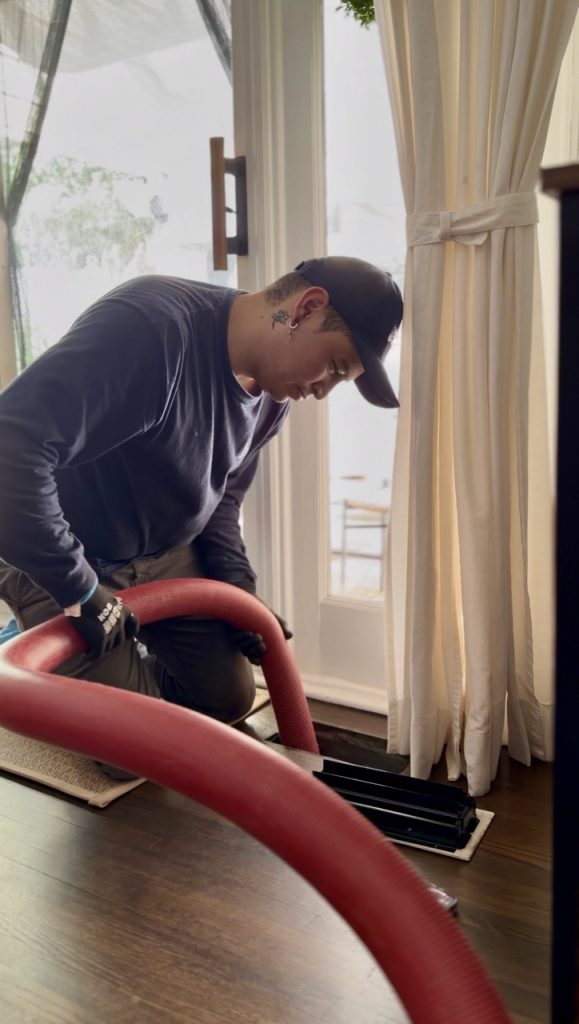
Indoor Air Quality and Airflow: The Hidden Connection
Airflow is not just about comfort. When ducts are blocked, pollutants accumulate and circulate throughout the home. Clean airflow contributes significantly to overall indoor air quality.
Air quality issues linked to poor airflow
- Dust recirculation
- Musty odors from damp duct sections
- Mold spores are spreading through the vents
- Allergy triggers circulate from room to room
- Old debris is moving into newly cleaned areas
A clean duct system improves airflow while keeping irritants out of the air you breathe. This is especially important for families facing high pollen seasons or dealing with allergies and asthma.
Conclusion
Airflow problems can make Charlotte homes uncomfortable, inefficient, and costly to cool. Dust buildup, moisture, and debris inside the duct system restrict the movement of air and force the HVAC unit to work harder than necessary. Clean air ducts restore balanced airflow, improve energy efficiency, and help maintain cleaner air indoors. With support from a NADCA Certified team, homeowners can ensure the cleaning is completed thoroughly and according to industry standards.
For those exploring airflow improvement options or looking to schedule assistance, the site provides reliable service information, trusted professional guidance, and local support options to help you take the next step. You may also connect with Pristine Air Duct Cleaners through their scheduling and resource sections for additional assistance.
FAQ
1. What causes airflow issues in homes?
Dust buildup, moisture, debris, and blocked ducts are the most common causes.
2. Does duct cleaning improve vent pressure?
Yes, removing dust and debris restores stronger, more consistent airflow.
3. Why choose NADCA Certified specialists?
A Certified team follows advanced training to ensure thorough and safe cleaning.
4. How often should ducts be cleaned?
Every three to five years, depending on home conditions and dust levels.
5. Does duct cleaning help with inconsistent room temperatures?
Yes, it restores balanced airflow throughout the home.
6. Can cleaning ducts reduce energy bills?
Improved airflow means your HVAC uses less energy to cool or heat the home.
7. Does poor airflow affect indoor air quality?
Yes, restricted airflow recirculates dust, allergens, and odors.
8. Are airflow problems worse in multi-story homes?
Higher floors and longer ducts make airflow issues more noticeable.
9. How long does it take to see improvement?
Most homes feel improved airflow immediately after cleaning.
10. Is duct cleaning messy?
Professional cleaning keeps dust contained and avoids creating mess in the home.