
In the 2026 Charlotte housing market, homeowners are prioritizing indoor environmental quality and system longevity. As we transition from the damp North Carolina winter to the high humidity of summer, your ventilation system becomes a primary factor in both health and home operational costs. A neglected duct system acts as a reservoir for dust, biological contaminants, and allergens that compromise respiratory health and force HVAC systems into mechanical distress. This guide explores the technical necessity of seasonal maintenance and the long-term benefits of a pristine ventilation network. Whether you want to reduce energy bills or eliminate allergy triggers, understanding your HVAC wellness cycle is the first step toward a high-performance home that protects your family and your property investment.
The Mechanical Impact of Particulate Accumulation on HVAC Efficiency
The primary technical concern for any HVAC system is the management of static pressure. When air ducts accumulate dust and debris, the internal diameter is reduced, forcing the blower motor to work harder to maintain temperatures. In Charlotte, where systems run year-round, this increased workload leads to higher energy consumption and accelerated wear. Removing these obstructions restores the system to original factory specifications, allowing for laminar airflow. This ensures that heat exchangers and evaporator coils operate without the insulating layer of grime that leads to overheating or coil freezing. Utilizing a specialized ventilation hygiene process acts as a mechanical reset, ensuring your system does not fail during peak summer demand.
Pro-Tip: Request a static pressure test during your next inspection. A high reading indicates your system is choking for air. Reducing this pressure through cleaning can extend blower motor life and reduce monthly utility bills by up to 20 percent.

Mitigating the Bio-Load: Humidity and Microbial Prevention
Charlotte’s high dew points create a specific risk for microbial proliferation. When the air conditioning begins its first cycles, condensation forms on interior duct surfaces. If these surfaces are coated in organic dust, a primary food source, the moisture creates a breeding ground for mold and mildew. This bio-load distributes spores throughout the home every time the fan engages. Cleaning ducts before peak summer humidity removes the organic substrate required for these colonies. This proactive approach is more effective than treating an active infestation later. Because the Charlotte climate stays humid for over six months, this prep work is essential for a healthy indoor air quality profile.
Pro-Tip: Focus on the plenum and main supply trunks during your maintenance. These areas are most susceptible to moisture. Ensuring these zones are physically agitated prevents the musty sock syndrome odor common in North Carolina homes.
The Filtration Paradox: Why High-MERV Filters Require Clean Ducts
Many homeowners use high-MERV filters to combat allergies, but installing a MERV 13 filter in a dirty system can create a mechanical conflict. The high-density media increases resistance, which may cause bypass, where air is pulled around the filter housing. This allows fine particulates to settle directly on sensitive electronic components. By ensuring ducts are clean, you allow high-efficiency filters to perform without compromising the system’s ability to breathe. Without a clean duct path, an expensive filter becomes a liability to the blower motor, potentially leading to a total system freeze-up during high-use periods.
Pro-Tip: Check manufacturer specifications before upgrading to a MERV 13 filter. If ducts are clean, your system can handle the filtration, but a dirty system will experience a significant drop in airflow that can damage the heat exchanger.
Structural Preservation and the Prevention of Indoor Dust Cycling
Beyond HVAC equipment, duct cleanliness impacts the preservation of your home’s interior. In Charlotte residences, the ventilation system can act as a loop for settled particulates, re-distributing dust across finishes and electronics. Over time, this abrasive dust wears down hardwood floors and penetrates carpet fibers. A professional deep clean breaks this cycle by removing the source material, reducing manual cleaning, and preserving aesthetic value. This is critical for homeowners who want to maintain a showroom quality within their living spaces while reducing the chemical load from constant cleaning.
Pro-Tip If you recently renovated, your ducts likely contain drywall dust. This particulate is highly abrasive to HVAC motors and should be removed immediately to prevent mechanical scarring of internal components.
The Financial Logic of Seasonal Ventilation Maintenance
The ROI of air duct cleaning is found in avoiding catastrophic failure. Most emergency repairs in Charlotte occur during the first heatwave when systems are pushed to their limits. A system struggling against dirty ducts is more likely to suffer a compressor failure. Investing in maintenance during the spring is insurance against mid-summer downtime. For those selling their property, a documented history of professional ventilation care is a selling point that justifies a higher asking price. Buyers in 2026 are highly educated about indoor health, making a clean HVAC system a major box to check during due diligence.
Pro-Tip: Keep a folder for maintenance receipts and cleaning reports. Buyers will appreciate proof that the home’s lungs have been professionally cared for, leading to a smoother inspection and appraisal process.
Why Professional Certification and NADCA Standards Matter
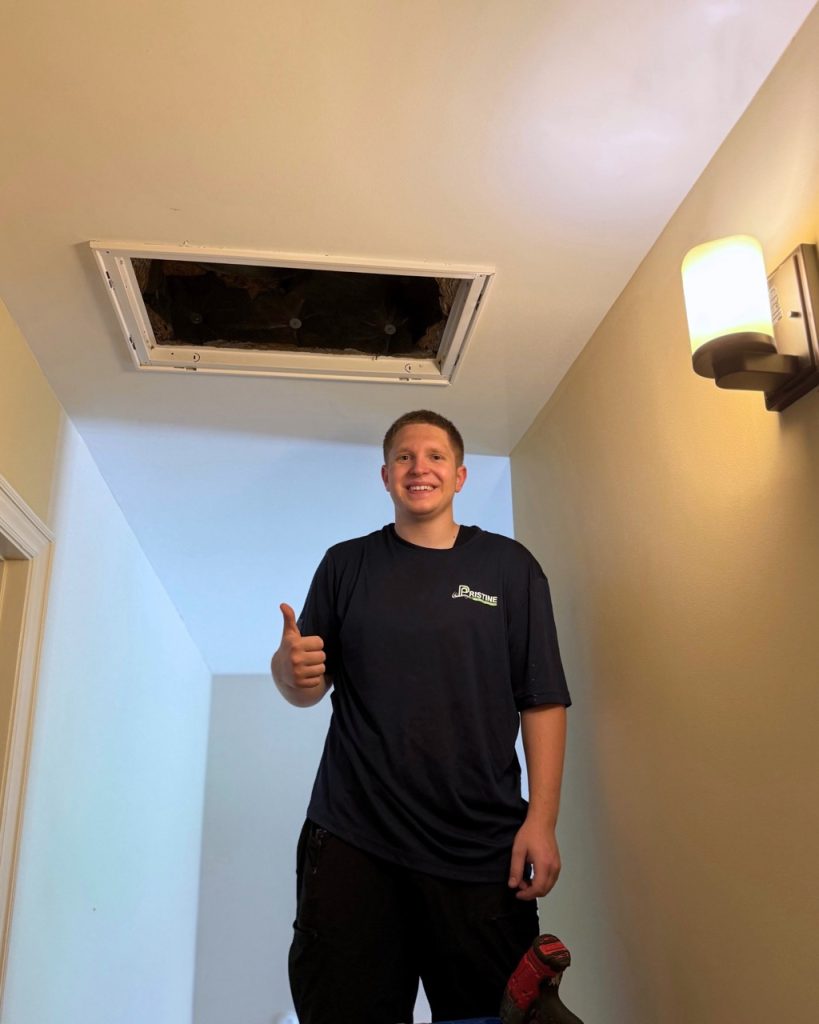
High-quality results require specialized equipment that creates a vacuum of several thousand cubic feet per minute. This negative pressure ensures that as debris is dislodged, it is extracted from the home rather than pushed deeper into the system. This precision is why hiring a NADCA-certified air duct cleaning company matters for your property. NADCA certification ensures technicians follow strict codes and use advanced technical standards. These professionals treat the entire HVAC system as a single integrated unit that must be cleaned to achieve true results.
Pro-Tip: Verify a company’s certification on the NADCA website. A certified firm will explain its technical process and provide a post-cleaning inspection to verify work meets national standards.
Conclusion
Cleaning your air ducts is a critical investment in mechanical health, respiratory wellness, and financial stability. By addressing debris before summer temperatures arrive, homeowners ensure peak efficiency and air free of biological threats. This proactive maintenance lowers energy costs and provides peace of mind. As the standard for home care rises in 2026, a clean ventilation system remains a cornerstone of a healthy residence. Treating your HVAC system with technical respect ensures a lifetime of comfort and efficiency for your family.
Ensuring your home is ready for the seasonal shifts in North Carolina requires a partner who understands HVAC hygiene. As a certified leader in the field, our team is committed to the highest standards of system maintenance. Whether you need a comprehensive system restoration to improve your indoor wellness or need specialized allergen removal, we provide the expertise to revitalize your space. You may review our educational resourcesto learn more about home maintenance or speak with a specialist today for a professional assessment. Our company overview highlights our commitment to providing the most thorough cleaning services in the Charlotte region.
FAQ
How often should I clean my air ducts?
Every 3 to 5 years, though homes with pets, smokers, or recent renovations may require more frequent attention.
Can dirty ducts increase energy bills?
Yes. Restricted airflow forces the system to run longer and harder, which increases monthly electricity consumption.
What is the difference between cleaning and sanitizing?
Cleaning removes physical debris; sanitizing uses an antimicrobial agent to kill remaining microscopic bacteria or mold spores.
Will duct cleaning create a mess in my house?
No. Professional negative pressure equipment contains all dust within the vacuum system, keeping it out of your living space.
Does it help with seasonal allergies?
Yes. Removing the reservoir of pollen and dander reduces the triggers circulated through your home during high-pollen seasons.
Is it necessary to clean the dryer vent, too?
It is highly recommended for fire safety and to ensure your dryer runs efficiently without overheating.
How long does a professional cleaning take?
Typically, 3 to 5 hours, depending on the size of the home and the complexity of the ductwork.
Can I clean the ducts myself with a shop vac?
No. Professional cleaning requires high-volume vacuum equipment and specialized tools that are not available for consumer rent.
Does a new home need its ducts cleaned?
Yes. Construction debris, like drywall dust and sawdust,t is frequently found in new ductwork and should be removed before moving in.
How do I verify the job was done properly?
A reputable company will provide before and after photos of the internal ductwork to confirm all debris has been extracted.