
Charlotte homeowners often deal with high humidity and heavy pollen throughout much of the year. While these environmental conditions are commonly associated with outdoor discomfort, they also have a significant impact on your indoor air and HVAC system. Many people do not realize that their air ducts act as a pathway for moisture, dust, and airborne particles to circulate throughout the home.
When humidity levels rise, moisture begins to accumulate inside ductwork. At the same time, pollen enters the home and settles within the system. Over time, this creates buildup that can reduce airflow, increase allergens, and strain your HVAC system. These hidden issues often go unnoticed until they begin to affect comfort and energy efficiency.
Understanding how Charlotte’s climate impacts your air ducts is essential for maintaining a healthy indoor environment and ensuring your HVAC system performs year-round efficiently.
How Charlotte Humidity Impacts Air Duct Systems
Charlotte’s climate is known for its high humidity, especially during the spring and summer months. This moisture does not stay outside. It finds its way into your HVAC system and settles inside your ductwork. When warm, humid air interacts with cooler surfaces, condensation forms inside the ducts.
This moisture creates the perfect environment for contaminants to stick and grow. Dust particles, debris, and airborne pollutants cling to damp surfaces and build up over time. As the buildup increases, airflow becomes restricted, and the system must work harder to circulate air.
Humidity can also lead to long-term structural issues inside ducts. Metal components may begin to corrode, and insulation can become damp and ineffective. These problems not only impact air quality but also reduce the lifespan of your HVAC system.
In areas like Charlotte, where humidity levels remain high for extended periods, regular awareness of these conditions is important for preventing damage and maintaining system performance.
The Effects of Pollen Buildup Inside Air Ducts
Pollen season in Charlotte is intense and can last for several months. While most people associate pollen with outdoor allergies, it also plays a major role in indoor air contamination.
Once pollen enters your home, it travels through your HVAC system and settles inside your air ducts. Over time, this buildup can affect both air quality and system efficiency.
Key effects of pollen inside air ducts include:
- Increased allergy and respiratory symptoms indoors
- Circulation of fine particles through vents
- Reduced airflow due to accumulated debris
- Dust buildup on furniture and surfaces
- Lingering odors caused by trapped contaminants
Because pollen particles are extremely small, they can easily bypass standard filters and accumulate deep within the system. This is why many homeowners notice worsening indoor allergies even when doors and windows remain closed.

Why Humidity and Pollen Together Cause Serious Issues
When humidity and pollen combine, they create a more severe problem than either factor alone. Moisture allows pollen particles to stick to duct surfaces, forming dense layers of buildup that are difficult to remove.
This combination creates a cycle where contaminants continue to accumulate and circulate. As the HVAC system runs, these particles are distributed throughout the home, affecting air quality in every room.
Over time, this leads to increased strain on the system, reduced efficiency, and higher exposure to allergens. The longer the buildup remains, the more difficult it becomes to restore proper airflow and cleanliness inside the ducts.
Common Signs Your Air Ducts Are Affected
Many homeowners are unaware of air duct issues until symptoms become noticeable. Recognizing early warning signs can help prevent more serious problems.
Here are common indicators that your air ducts may be affected by humidity and pollen:
- Musty or damp odors when the HVAC system is running
- Visible dust coming from the air vents
- Uneven airflow between different rooms
- Increased allergy symptoms inside the home
- Higher energy bills without a clear reason
If you notice these signs, it may be time to learn more about solutions such as air duct cleaning services that help remove buildup and restore proper airflow.
Impact on Indoor Air Quality and Health
Indoor air quality plays a major role in overall health and comfort. When air ducts become contaminated with moisture and pollen, they begin to circulate polluted air throughout your home.
This can lead to a range of health concerns, especially for individuals with allergies, asthma, or respiratory conditions. Pollutants inside ductwork are continuously recirculated, increasing exposure over time.
Poor indoor air quality can also cause symptoms such as headaches, fatigue, and irritation of the eyes and throat. In humid environments, the risk of mold growth adds another layer of concern, as mold spores can spread quickly through the system.
Maintaining clean air ducts is essential for reducing these risks and ensuring a healthier living environment.
How Air Duct Contamination Affects HVAC Efficiency
Air duct contamination not only impacts air quality. It also directly affects how efficiently your HVAC system operates. When ducts are filled with dust, pollen, and moisture-related buildup, airflow becomes restricted.
This leads to several performance issues:
- Increased energy consumption due to longer run times
- Higher utility bills during peak seasons
- Additional strain on HVAC components
- Reduced system lifespan
- Inconsistent temperatures throughout the home
According to energy experts, restricted airflow is one of the leading causes of inefficiency in HVAC systems. Keeping ducts clean helps maintain proper airflow and reduces unnecessary strain on the system.
The Importance of Professional Air Duct Standards
Not all air duct maintenance is the same. Following industry standards ensures that cleaning and maintenance are performed safely and effectively.
Professional guidelines focus on removing contaminants without damaging the duct system. This includes using proper equipment, maintaining airflow integrity, and ensuring that pollutants are not released back into the home during the process.
Understanding these standards is important for homeowners who want reliable results. You can explore more about this by reading why hiring a NADCA certified air duct cleaning company matters.
Preventing Air Duct Damage in Charlotte Homes
Prevention is the most effective way to protect your air ducts from humidity and pollen buildup. Taking simple steps can significantly reduce contamination and improve indoor air quality.
Here are practical prevention tips:
- Use a dehumidifier to control indoor moisture levels
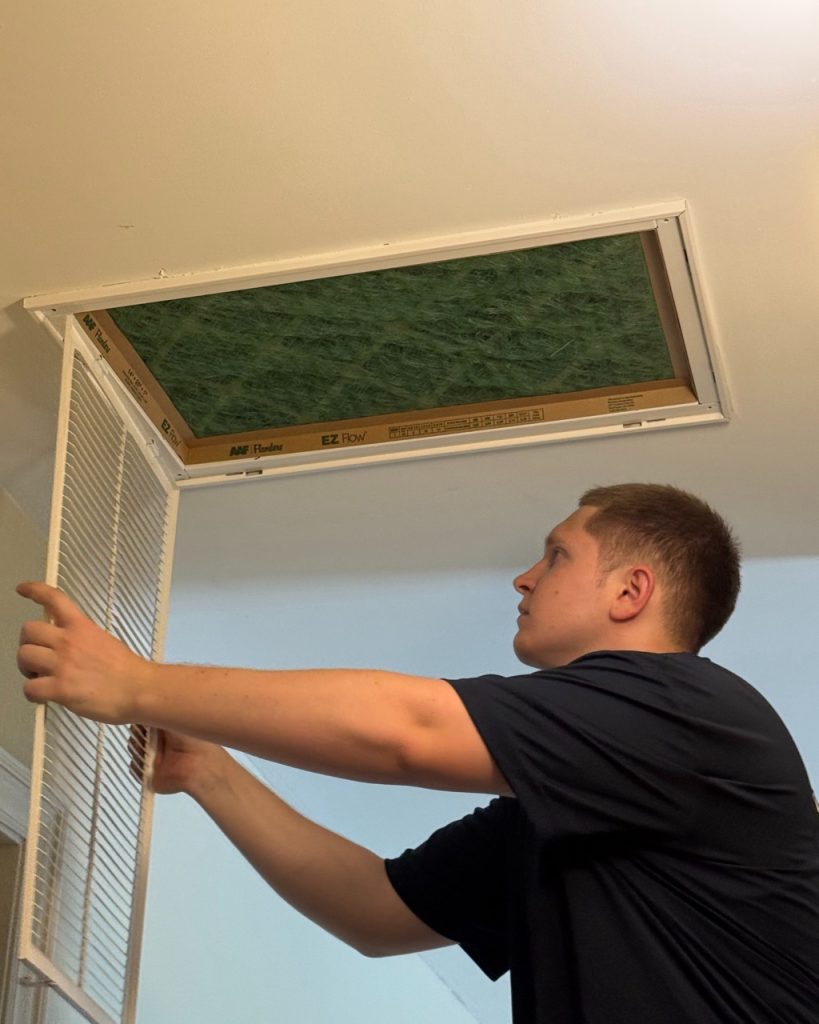
- Replace air filters regularly to capture pollen and dust
- Schedule periodic HVAC inspections
- Seal ducts to prevent outside air from entering
- Keep vents clean and unobstructed
Staying informed through helpful resources like HVAC and air quality articles can also help homeowners better understand how to manage seasonal challenges.
Conclusion
Charlotte’s climate creates ongoing challenges for air ducts due to humidity and pollen exposure. Moisture allows contaminants to stick and grow, while pollen adds layers of allergens that circulate throughout the home.
Over time, this combination impacts indoor air quality, energy efficiency, and overall comfort. Recognizing the signs early and taking preventive steps can help maintain a healthier living environment.
Homeowners who want to better understand solutions can explore helpful resources such as air duct cleaning, learn about local conditions in Charlotte, read educational articles, understand the value of NADCA certified professionals, or reach out directly through the contact page.
FAQs
1. How does humidity affect air ducts in Charlotte
Humidity creates moisture inside ducts, allowing dust and pollen to stick and increasing the risk of mold growth.
2. Can pollen enter my home through the HVAC system
Yes, pollen can enter through vents and circulate throughout your home via the duct system.
3. How often should air ducts be inspected
Air ducts should be inspected every one to two years, especially in humid climates.
4. What are the signs of dirty air ducts
Common signs include dust from vents, musty smells, and increased allergy symptoms.
5. Does humidity cause mold in air ducts
Yes, high humidity creates the ideal environment for mold growth inside duct systems.
6. Why are allergies worse indoors during pollen season
Pollen enters the home and circulates through ducts, increasing indoor exposure.
7. Can dirty air ducts increase energy bills
Yes, restricted airflow forces HVAC systems to use more energy.
8. How can I prevent duct contamination
Regular maintenance, proper filtration, and humidity control can help prevent buildup.
9. Are professional duct cleanings necessary
Yes, they help remove deep contamination that cannot be reached through basic cleaning.
10. What is the benefit of clean air ducts
Clean ducts improve airflow, reduce allergens, and enhance overall HVAC efficiency.