
Spring in Charlotte brings warmer temperatures, blooming trees, and, unfortunately, a surge in pollen levels that can trigger allergies for many families. While outdoor air quality often gets the most attention, indoor air can become just as problematic, especially when allergens accumulate inside your home’s HVAC system.
Air ducts play a critical role in circulating air throughout your home. Over time, they can collect dust, pollen, pet dander, and other airborne particles. When your system runs, these contaminants are distributed into every room, making it difficult to maintain a clean and healthy indoor environment.
For families dealing with seasonal allergies, this buildup can worsen symptoms and reduce comfort. That is why many homeowners begin exploring professional solutions designed to remove hidden allergens and improve indoor airflow during peak allergy seasons. Understanding how air duct cleaning helps reduce allergens can make a significant difference in how your home feels this spring.
Why Spring Allergies Are Worse in Charlotte Homes
Charlotte’s climate creates the perfect conditions for high pollen levels during the spring months. Trees, grass, and other plants release large amounts of pollen into the air, which easily enters homes through doors, windows, and HVAC systems.
Once inside, these particles settle into air ducts and continue to circulate. This creates a continuous cycle of allergen exposure that can be difficult to control.
Homes located in areas with heavy seasonal pollen and environmental exposure often experience more severe indoor allergy symptoms. Without proper cleaning and maintenance, allergens can remain trapped inside duct systems for extended periods.

Common Allergens Found Inside Air Ducts
Air ducts can collect a wide variety of allergens that impact indoor air quality. These contaminants often build up gradually and remain hidden until symptoms become noticeable.
Common allergens include:
- Pollen from trees, grass, and plants
- Dust and fine particles from everyday activities
- Pet dander from animals inside the home
- Mold spores are caused by moisture buildup
- Bacteria and airborne pollutants
When the HVAC system operates, these allergens are pushed through vents and into living spaces. Families who want to better understand how these contaminants affect their home often explore educational resources on indoor air quality and HVAC care.
How Dirty Air Ducts Affect Allergy Symptoms
Dirty air ducts can significantly worsen allergy symptoms by continuously circulating allergens throughout the home. Even if you clean surfaces regularly, contaminated ducts can reintroduce particles into the air.
This ongoing exposure can lead to persistent symptoms such as sneezing, congestion, itchy eyes, and difficulty breathing. For individuals with asthma or sensitivities, the effects can be even more severe.
In Charlotte’s humid climate, moisture can also contribute to mold growth inside ducts, further increasing allergen levels. Addressing these issues at the source is essential for improving indoor comfort and reducing symptoms.
Signs Your Air Ducts May Be Worsening Allergies
Many homeowners are unaware that their air ducts are contributing to allergy problems. Recognizing the signs can help you take action before symptoms become more severe.
Common warning signs include:
- Increased allergy symptoms indoors
- Dust buildup around vents and surfaces
- Musty or stale odors when the system runs
- Uneven airflow in different rooms
- Frequent need to clean surfaces
If these signs are present, it may indicate that allergens are circulating through your HVAC system. Homeowners often begin looking into effective cleaning methods that restore clean airflow and reduce airborne contaminants when these symptoms appear.
The Link Between Humidity and Indoor Allergens
Humidity plays a major role in how allergens behave inside your home. In Charlotte, high humidity levels allow particles to stick to surfaces and accumulate inside air ducts more easily.
Moisture also creates conditions where mold and bacteria can grow, adding another layer of contamination. This combination makes indoor air quality more difficult to manage during the spring and summer months.
Understanding how humidity affects your HVAC system helps explain why allergens can build up quickly and remain present for long periods if not properly addressed.
How Air Duct Cleaning Helps Reduce Allergens
Air duct cleaning removes the buildup of dust, pollen, and other contaminants from inside your HVAC system. This helps reduce the amount of allergens circulating through your home.
Key benefits include:
- Removal of accumulated dust and debris
- Reduction in airborne allergens
- Improved airflow throughout the home
- Fresher and cleaner indoor air
- Better overall HVAC performance
When performed correctly, cleaning can significantly improve indoor air quality and create a more comfortable living environment. Families often notice fewer allergy symptoms after addressing duct contamination.
Why Professional Standards and Certification Matter
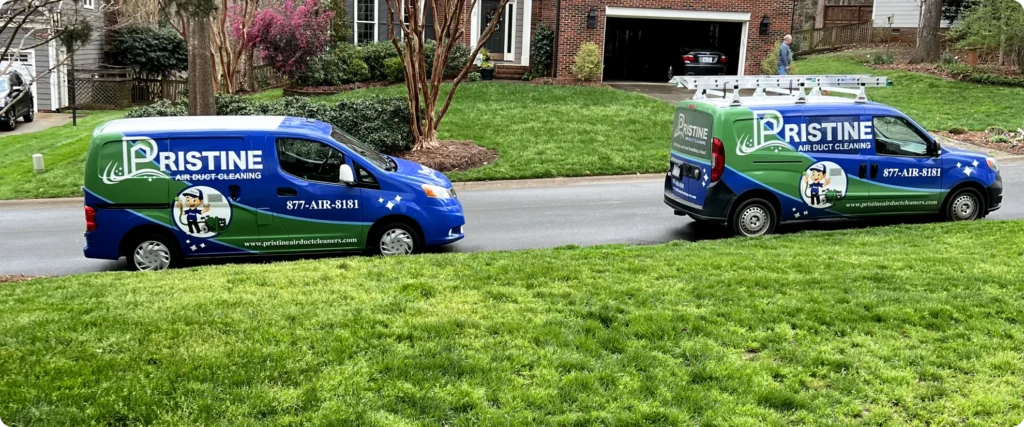
Air duct cleaning must be performed correctly to achieve real results. This is where professional standards become important. Certified technicians follow proven methods to ensure that contaminants are fully removed rather than spread further.
Companies that follow recognized guidelines, including NADCA standards, provide a higher level of service and reliability. These standards focus on proper equipment, thorough cleaning, and safe practices.
Homeowners who want to understand the importance of certification often review why certified air duct cleaning standards play a critical role in indoor air quality before choosing a service provider.
Tips for Maintaining Cleaner Air During Allergy Season
In addition to professional cleaning, there are several steps homeowners can take to reduce allergens and improve indoor air quality during spring.
Helpful tips include:
- Replacing HVAC filters regularly
- Keeping windows closed during high pollen days
- Using air purifiers to reduce airborne particles
- Controlling indoor humidity levels
- Scheduling routine HVAC inspections
Staying informed through trusted home maintenance and air quality resources can help you take proactive steps to protect your home and family.
Conclusion
Spring in Charlotte can be a challenging time for families dealing with allergies. While outdoor pollen is unavoidable, indoor air quality can be improved with the right approach. Air ducts play a major role in how allergens circulate throughout your home, making them an important part of maintaining a healthy environment.
Ignoring duct contamination can lead to ongoing discomfort, poor air quality, and increased allergy symptoms. However, by recognizing the signs and taking action, homeowners can significantly improve their indoor conditions.
Solutions like professional air duct cleaning designed to remove allergens and restore airflow help address the root cause of indoor air issues. You can also learn more about local environmental factors in Charlotte, explore helpful air quality and maintenance resources, understand why certified standards ensure better results, or reach out directly through the contact page. Taking steps today can help your family breathe easier and enjoy a more comfortable home this spring.
FAQs
1. Why are allergies worse indoors during spring
Pollen enters the home and accumulates in air ducts, circulating through the HVAC system.
2. How do air ducts affect allergies
Dirty ducts spread allergens like dust and pollen throughout your home.
3. What are common allergens in air ducts
Pollen, dust, pet dander, mold spores, and bacteria are commonly found in ducts.
4. Can air duct cleaning reduce allergy symptoms
Yes, removing contaminants helps reduce exposure and improve air quality.
5. How often should ducts be checked for allergens
At least every one to two years or when symptoms increase.
6. Does humidity make allergies worse
Yes, moisture allows allergens and mold to grow more easily.
7. What are the signs of contaminated air ducts
Dust buildup, odors, poor airflow, and increased allergy symptoms.
8. Is professional cleaning necessary
Yes, it ensures deep cleaning and proper removal of contaminants.
9. Do certified professionals make a difference
Yes, certified technicians follow standards that ensure effective results.
10. How can I maintain cleaner air during allergy season
Use filters, control humidity, and keep your HVAC system properly maintained.