
Charlotte homeowners face a constant challenge when it comes to protecting their homes from moisture-related problems. The region’s warm climate, combined with high humidity levels throughout much of the year, creates ideal conditions for moisture to accumulate in hidden areas of the home. One of the most vulnerable and often overlooked spaces is the crawlspace.
Crawlspaces are directly exposed to ground moisture, humid air, and temperature fluctuations. Over time, this leads to damp conditions that promote mold growth, attract pests, and weaken structural components. What makes this issue even more concerning is that air from the crawlspace can circulate into your living space, affecting indoor air quality without you even realizing it.
Because of these risks, many homeowners begin exploring advanced moisture control systems that seal and protect crawlspaces from environmental exposure as a long-term solution. Understanding how encapsulation works can help you prevent costly damage and create a healthier home environment.
How Moisture Builds Up in Charlotte Crawlspaces
Charlotte’s climate creates the perfect conditions for moisture accumulation beneath homes. High humidity levels, combined with warm air and frequent rainfall, allow moisture to enter crawlspaces from multiple sources.
Moisture does not need a large opening to enter. It can rise from the soil, seep through foundation walls, or enter through vents and small gaps. Once inside, it tends to remain trapped, especially in poorly ventilated crawlspaces.
Over time, this leads to consistently damp conditions that are difficult to eliminate naturally. The longer moisture remains, the more damage it can cause. Homes located in areas with ongoing humidity and seasonal moisture exposure are especially vulnerable to this type of buildup.
Common Problems Caused by Crawlspace Moisture
Moisture in crawlspaces leads to a wide range of issues that can affect both the structure of the home and the health of its occupants.
Some of the most common problems include:
- Mold and mildew growth on wooden surfaces
- Wood rot that weakens structural supports
- Increased pest activity, such as termites and rodents
- Musty odors that travel into living areas
- Damage to insulation reduces energy efficiency
These issues often develop slowly, which makes them easy to overlook until they become severe. Homeowners who stay informed through practical home maintenance resources and air quality guides are better prepared to identify early warning signs.
Why Mold Growth Becomes a Serious Risk
Mold thrives in environments where moisture is present, and crawlspaces provide the perfect conditions for it to grow and spread. Once mold begins to develop, it can quickly expand across surfaces such as wood beams, insulation, and subflooring.
The problem with mold is not limited to the crawlspace itself. Mold spores can travel through the air and enter the home, affecting indoor air quality. This can lead to allergy symptoms, respiratory irritation, and ongoing discomfort for occupants.
In humid climates like Charlotte, mold growth can accelerate rapidly if moisture is not controlled. Addressing the source of moisture is the only effective way to prevent long-term mold issues.
How Crawlspaces Attract and Support Pest Activity
Crawlspaces with moisture problems create an ideal environment for pests. The combination of damp conditions, warmth, and access to organic materials makes these spaces highly attractive to insects and rodents.
Common pest-related issues include:
- Termites feed on damp wood structures
- Rodents nesting in insulation and hidden areas
- Increased insect activity in dark, moist environments
- Damage to wiring and structural components
- Contamination from droppings and debris
Once pests enter the crawlspace, they can spread throughout the home and cause additional damage. Moisture control is one of the most effective ways to reduce pest activity and prevent infestations.
How Crawlspace Conditions Affect Indoor Air Quality
Many homeowners are unaware that a large portion of the air inside their home originates from the crawlspace. This means that any contaminants present below the home can directly impact indoor air quality.
When crawlspaces contain moisture, mold, and debris, these pollutants can rise into living areas through natural airflow. This can lead to persistent odors, increased dust levels, and poor air circulation.
Over time, this can affect comfort and health, especially for individuals with allergies or respiratory conditions. Maintaining a clean and dry crawlspace is essential for improving the air you breathe every day.
How Crawlspace Encapsulation Solves These Problems
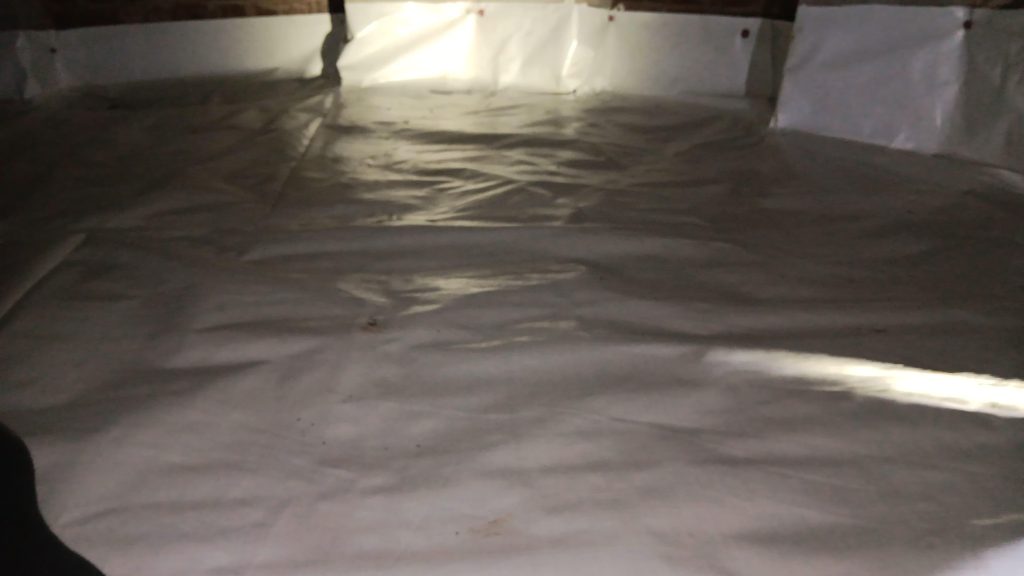
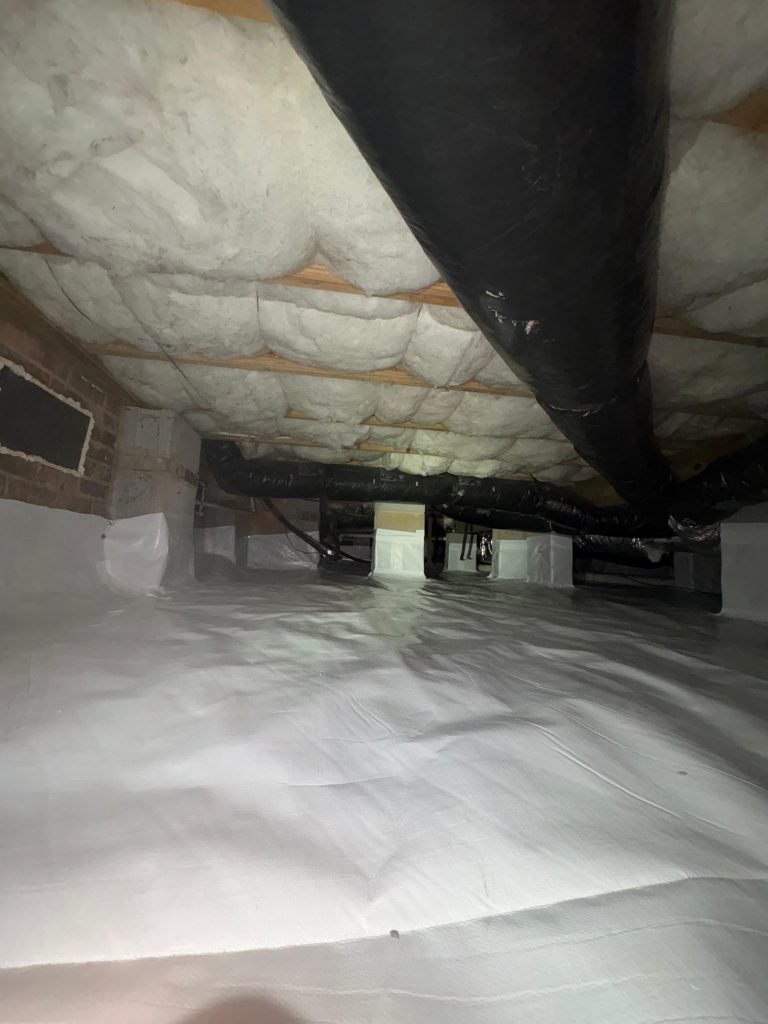
Crawlspace encapsulation is a comprehensive solution designed to control moisture and protect the home from related issues. The process involves sealing the crawlspace to prevent outside air and moisture from entering.
Key benefits of encapsulation include:
- Significant reduction in moisture levels
- Prevention of mold growth and spread
- Reduced pest activity and access points
- Improved indoor air quality
- Better energy efficiency and temperature control
By creating a sealed environment, encapsulation stops moisture at its source. Homeowners who invest in professional crawlspace sealing and long term moisture control solutions often experience noticeable improvements in comfort and air quality.
Why Professional Standards and Certification Matter
Crawlspace encapsulation must be done correctly to be effective. Improper installation can lead to ongoing moisture issues and reduced performance over time.
Working with professionals who follow industry standards ensures that materials are installed properly and that the system functions as intended. Companies that follow recognized guidelines, including NADCA-aligned practices for indoor air quality, provide a higher level of reliability.
This level of expertise is especially important in Charlotte, where environmental conditions require long-term solutions rather than temporary fixes.
Preventing Mold, Moisture, and Pest Issues Long Term
Preventing crawlspace problems is more effective than dealing with damage after it occurs. Taking proactive steps can help maintain a dry and healthy environment beneath your home.
Important prevention strategies include:
- Installing vapor barriers to block ground moisture
- Improving drainage around the foundation
- Sealing vents and entry points
- Using dehumidification systems when needed
- Scheduling regular inspections
Staying informed through trusted homeowner resources and maintenance insights can help you stay ahead of seasonal challenges and protect your home year-round.
Conclusion
Mold, moisture, and pests are closely connected problems that often begin in the crawlspace. In Charlotte’s humid climate, these issues can develop quickly and spread throughout the home if not properly addressed.
Ignoring crawlspace conditions can lead to structural damage, poor indoor air quality, and increased maintenance costs. However, with the right approach, these risks can be effectively managed and prevented.
Crawlspace encapsulation provides a long-term solution by sealing the space and controlling moisture levels. This not only protects your home’s structure but also improves comfort and air quality for everyone inside.
Homeowners looking to take the next step can explore advanced crawlspace protection solutions, learn more about local environmental challenges in Charlotte, review helpful home maintenance and air quality resources, understand why certified service standards matter, or connect directly through the contact page.
FAQs
1. Why is crawlspace moisture a serious problem
Crawlspace moisture creates conditions for mold growth, pest infestations, and structural damage, which can affect the entire home over time.
2. How does mold in a crawlspace affect indoor air
Mold spores can travel through airflow and enter living spaces, reducing air quality and causing health issues.
3. What attracts pests to crawlspaces
Pests are attracted to moisture, warmth, and access to organic materials such as wood and insulation.
4. What is crawlspace encapsulation
It is a process of sealing the crawlspace to prevent moisture, improve air quality, and protect the home.
5. Can encapsulation stop mold growth
Yes, by reducing moisture levels, encapsulation helps prevent the conditions that allow mold to grow.
6. How does moisture damage a home’s structure
Moisture weakens wood, damages insulation, and can lead to long-term structural issues.
7. Is crawlspace encapsulation necessary in Charlotte
Due to high humidity and environmental conditions, it is highly recommended for long-term protection.
8. How often should crawlspaces be inspected
At least once a year, to identify early signs of moisture or pest issues.
9. Does encapsulation improve energy efficiency
Yes, it helps maintain stable indoor temperatures and reduces strain on HVAC systems.
10. What are the long-term benefits of encapsulation
Improved air quality, reduced maintenance costs, better energy efficiency, and protection against structural damage.