
Most homeowners focus on visible areas of their home when thinking about air quality, such as living rooms, bedrooms, and ventilation systems. However, one of the most important contributors to indoor air quality is often hidden beneath your feet. The crawlspace plays a major role in how air moves throughout your home, especially in climates like Charlotte, where humidity levels remain high for much of the year.
Many people do not realize that a large percentage of the air inside their home originates from the crawlspace. This means that any moisture, mold, or contaminants present below the home can directly affect the air you breathe every day. Over time, this can lead to discomfort, increased allergens, and even structural concerns.
Because of this connection, many homeowners begin exploring advanced solutions designed to seal and protect crawlspaces from moisture and contamination to improve both air quality and overall home performance.
How Air Circulates From the Crawlspace to the Living Areas
Air movement inside a home is not random. It follows natural patterns driven by pressure differences, temperature changes, and airflow systems. One of the most important concepts is the stack effect, where air rises from lower levels of the home to upper areas.
This means that air from the crawlspace is often pulled upward into living spaces. If the crawlspace contains moisture, mold, or pollutants, those contaminants can travel along with the airflow.
In regions like Charlotte where humidity and environmental exposure are constant factors, this effect becomes even more noticeable. Homes with unsealed crawlspaces are more likely to experience poor air circulation and contamination.
Common Crawlspace Contaminants That Affect Air Quality
Crawlspaces can collect a wide range of contaminants that impact indoor air quality. These pollutants often go unnoticed because they are hidden beneath the home.
Common contaminants include:
- Mold and mildew caused by moisture buildup
- Dust, dirt, and debris from outdoor air
- Pest droppings and nesting materials
- Bacteria and airborne allergens
- Odors from damp or decaying materials
When these contaminants are present, they can circulate throughout the home and affect comfort and health. Homeowners who want to better understand these risks often review educational resources on indoor air quality and HVAC systems.
The Role of Moisture in Air Quality Problems
Moisture is one of the most significant factors affecting crawlspace conditions and indoor air quality. In Charlotte, high humidity levels make it easy for moisture to accumulate beneath homes.
When moisture enters the crawlspace, it creates a damp environment where mold and bacteria can grow. It also allows dust and debris to stick to surfaces, increasing contamination levels over time.
This moisture does not stay contained. As air moves through the home, it carries humidity and pollutants upward, affecting indoor comfort and air freshness. Controlling moisture at its source is essential for improving air quality.
Signs Your Crawlspace Is Affecting Indoor Air
Many homeowners do not immediately connect indoor air issues with their crawl space. However, there are several warning signs that indicate a problem.
Common signs include:
- Persistent musty odors inside the home
- Increased humidity levels indoors
- Allergy symptoms that worsen inside
- Visible mold or mildew near the floors
- Uneven temperatures or a damp feeling in the air
If these signs are present, it often means that the crawlspace is contributing to poor indoor air conditions. Addressing the source of the problem is the key to long-term improvement.
How Poor Crawlspace Conditions Impact Health
Indoor air quality has a direct effect on health and well-being. When crawlspaces contain mold, moisture, and pollutants, these contaminants can circulate throughout the home and affect occupants over time.
This can lead to symptoms such as respiratory irritation, allergies, headaches, and general discomfort. For individuals with asthma or sensitivities, the effects can be even more severe.
Because air from the crawlspace is continuously moving into living spaces, exposure can become constant. This is why maintaining a clean and dry crawlspace is essential for creating a healthier indoor environment.
How Crawlspace Encapsulation Improves Air Quality
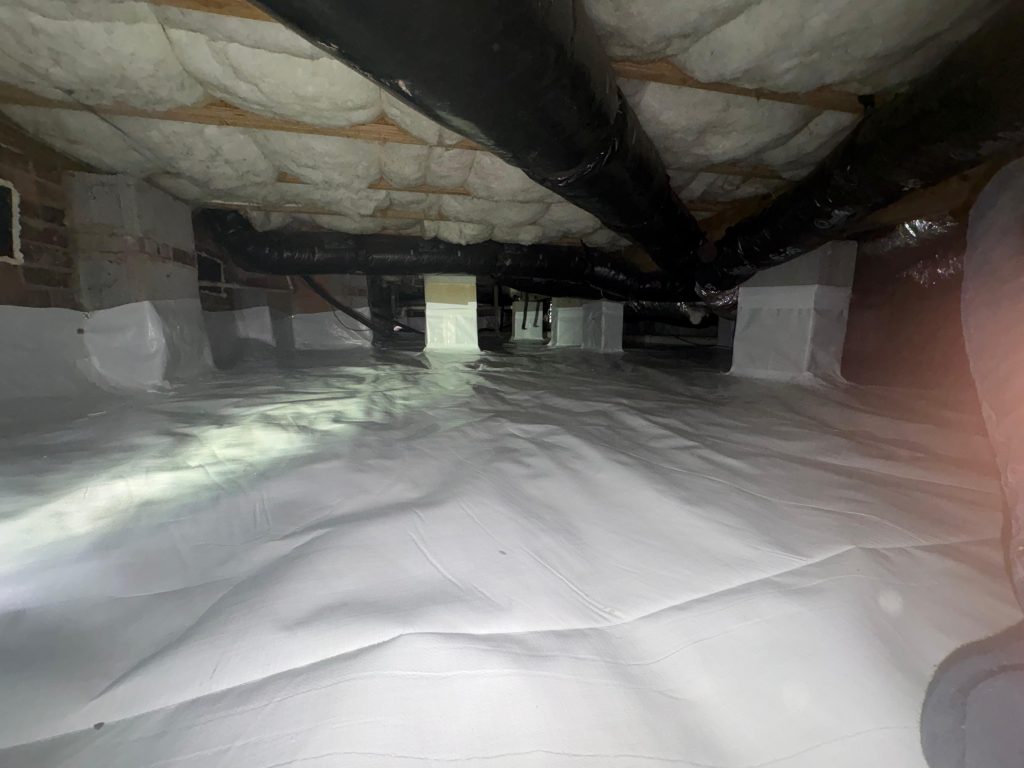
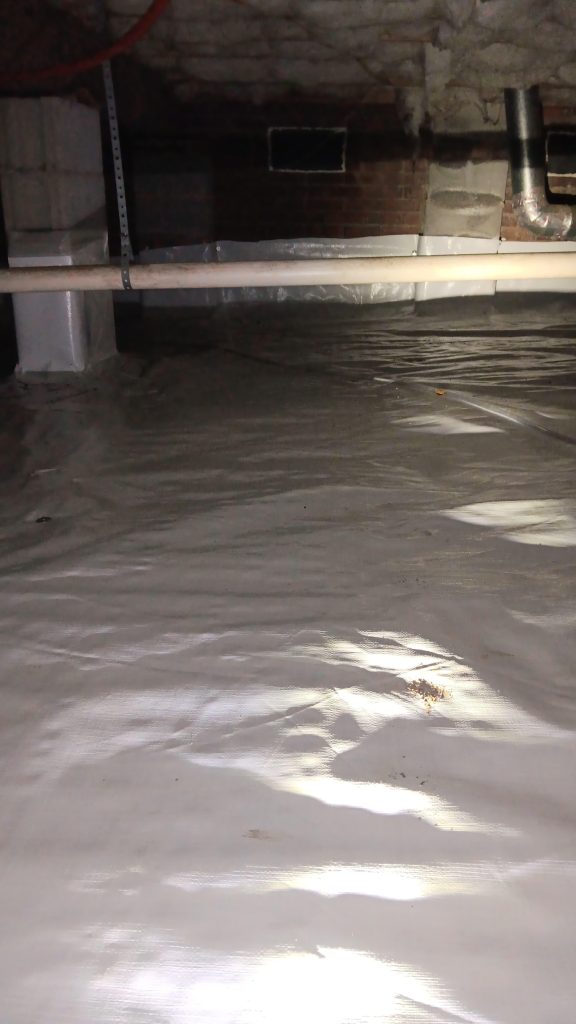
Crawlspace encapsulation is one of the most effective ways to improve indoor air quality by addressing the source of contamination. The process involves sealing the crawlspace to prevent moisture and outside air from entering.
Key benefits include:
- Reduction in moisture and humidity levels
- Prevention of mold growth
- Improved air circulation throughout the home
- Reduced allergens and airborne pollutants
- Increased overall comfort and energy efficiency
By creating a controlled environment beneath the home, encapsulation stops contaminants from entering the airflow. Homeowners who invest in professional crawlspace sealing and moisture control solutions often notice a significant improvement in indoor air quality.
Why Professional Standards and Certification Matter
Proper crawlspace solutions require expertise and adherence to industry standards. Without correct installation, moisture and contamination issues can continue or return over time.
Working with professionals who follow recognized standards ensures that materials, sealing techniques, and airflow considerations are handled correctly. Companies that align with NADCA standards for indoor air quality bring an added level of confidence and reliability.
Homeowners who want to understand these standards more deeply often explore why certified professionals play a critical role in maintaining HVAC and air quality systems.
Long-Term Prevention for Better Indoor Air Quality
Preventing crawlspace-related air quality issues requires a proactive approach. Simple maintenance steps can make a significant difference in protecting your home.
Effective prevention strategies include:
- Installing vapor barriers to block ground moisture
- Sealing vents and openings to reduce outside air intrusion
- Using dehumidifiers to control humidity levels
- Scheduling regular inspections
- Keeping the crawlspace clean and dry
Staying informed through trusted homeowner guides and maintenance resources can help you take the right steps to maintain a healthy indoor environment.
Conclusion
The connection between your crawlspace and indoor air quality is often overlooked, yet it plays a critical role in the overall health and comfort of your home. In Charlotte’s humid climate, moisture and contaminants can easily accumulate beneath your home and travel into your living space.
Ignoring crawlspace conditions can lead to ongoing air quality issues, increased allergens, and even structural damage over time. However, by understanding this connection and taking proactive steps, homeowners can significantly improve their indoor environment.
Solutions like professional crawlspace encapsulation designed for long term moisture control, help address the root of the problem. You can also learn more about local environmental factors in Charlotte, explore helpful air quality and maintenance resources, understand why certified standards matter for reliable results, or connect directly through the contact page. Taking action today can lead to cleaner air, better comfort, and a healthier home for years to come.
FAQs
1. How does a crawlspace affect indoor air quality
Air from the crawlspace rises into living areas, carrying moisture and contaminants that affect air quality.
2. What contaminants are commonly found in crawlspaces
Mold, dust, allergens, pest debris, and bacteria are commonly found in crawlspaces.
3. Why is moisture a major concern in Charlotte
High humidity levels allow moisture to build up easily, creating conditions for mold and contamination.
4. What are the signs of poor crawlspace air quality
Musty odors, high humidity, allergy symptoms, and visible mold are common signs.
5. Can crawlspace issues affect health
Yes, poor air quality can lead to respiratory problems, allergies, and discomfort.
6. How does encapsulation improve air quality
It seals the crawlspace, preventing moisture and contaminants from entering the home.
7. Is crawlspace encapsulation necessary in Charlotte
Due to climate conditions, it is highly recommended for long-term protection.
8. How often should crawlspaces be inspected
At least once a year or when signs of moisture appear.
9. Does encapsulation help with energy efficiency
Yes, it improves insulation and reduces HVAC strain.
10. What is the long-term benefit
Better air quality, improved comfort, and protection against damage.