
Many homeowners in Charlotte clean their homes regularly, vacuum often, and wipe down surfaces, yet dust seems to reappear within days or even hours. This ongoing cycle can feel frustrating, especially for families who invest time and effort into maintaining a clean living environment. The reason dust returns so quickly often has little to do with how well a home is cleaned and much more to do with what is happening behind walls, above ceilings, and inside ventilation systems. Understanding the true sources of dust buildup helps Charlotte homeowners address the root causes instead of repeatedly treating surface-level symptoms. This guide explains why dust persists despite regular cleaning and what hidden factors contribute to the problem.
Dust Is Constantly Being Generated Inside the Home
Dust is not a one-time contaminant that enters the home and stays put. It is constantly being created by everyday living activities. Skin cells, fabric fibers, pet dander, and tracked-in outdoor debris all contribute to indoor dust levels. In Charlotte homes, warm weather often means doors and windows are opened frequently, allowing additional particles to enter. Even when surfaces are cleaned, new dust begins forming almost immediately. This ongoing generation means that cleaning alone cannot eliminate dust sources, only reduce what is visible at the moment.
HVAC Systems Can Circulate Dust Repeatedly
One of the most overlooked contributors to rapid dust buildup is the heating and cooling system.
Common HVAC-related dust issues include:
- Dust accumulation inside air ducts
- Debris buildup on supply and return vents
- Leaking duct connections, pulling in attic or crawl space particles
- Dirty blower components are redistributing dust
When HVAC systems operate, they can circulate dust throughout the home multiple times each day.
Air Ducts Often Hold Years of Hidden Dust
Air ducts act like pathways that move air through every room. Over time, dust settles inside these passages and remains there until disturbed. In many Charlotte homes, ductwork has not been professionally cleaned in years or even decades. When the system turns on, airflow lifts settled dust and redistributes it into living spaces. Homeowners may notice dust appearing shortly after cleaning because it is being released from inside the duct system. Addressing duct buildup is often a key step in reducing recurring dust problems.
Improper Filtration Allows Dust to Pass Through
Air filters are designed to capture airborne particles, but not all filters perform equally.
Filtration issues that increase dust include:
- Low-quality filters with limited particle capture
- Filters that are not replaced frequently enough
- Incorrect filter size, allowing air bypass
- HVAC systemsare not designed for higher efficiency filters
When filtration is inadequate, dust continues to circulate freely through the home.

Outdoor Dust and Pollen Enter Through Small Gaps
Charlotte experiences seasonal pollen, construction activity, and dry weather that contribute to outdoor dust levels. Even when doors and windows are closed, small gaps around doors, windows, and utility penetrations allow particles to enter. These fine particles settle quickly on surfaces, making it appear as though cleaning efforts are ineffective. Homes with older seals or insufficient weatherproofing often experience higher indoor dust levels due to continuous infiltration.
Carpet and Upholstery Trap and Release Dust
Soft surfaces act as reservoirs for dust rather than eliminating it. Carpets, rugs, furniture, and curtains collect particles that become airborne again with movement.
Common dust-releasing activities include:
- Walking across carpeted floors
- Sitting on upholstered furniture
- Pet movement throughout the home
- Airflow from vents is disturbing the settled dust
Vacuuming helps, but it does not remove deeply embedded particles without proper equipment.
Humidity Levels Influence Dust Behavior
Humidity plays an important role in how dust behaves indoors. In Charlotte, fluctuating humidity levels can affect dust accumulation. Low humidity allows dust to remain airborne longer, making it easier to spread across surfaces. High humidity can cause dust to clump, settling more quickly but also sticking to surfaces. Poor humidity balance often results in visible dust returning faster after cleaning. Maintaining proper indoor moisture levels helps reduce airborne particle movement.
Construction and Renovation Residue Lingers Indoors
Homes that have undergone renovations or nearby construction often experience persistent dust problems. Fine construction particles can remain in air ducts, wall cavities, and flooring materials long after projects are completed.
Sources of lingering construction dust include:
- Drywall residue
- Sawdust and wood particles
- Insulation fibers
- Concrete and masonry dust
Without addressing hidden areas, these particles continue resurfacing despite regular cleaning.
Why Standard House Cleaning Cannot Solve the Problem Alone
Traditional house cleaning focuses on visible surfaces, but dust sources often exist out of reach. Cleaning removes what is seen, but it does not address airflow systems, hidden cavities, or trapped debris. Many Charlotte homeowners clean frequently yet never see long-term improvement because the underlying dust sources remain active. Identifying and addressing these deeper contributors is essential for lasting results.
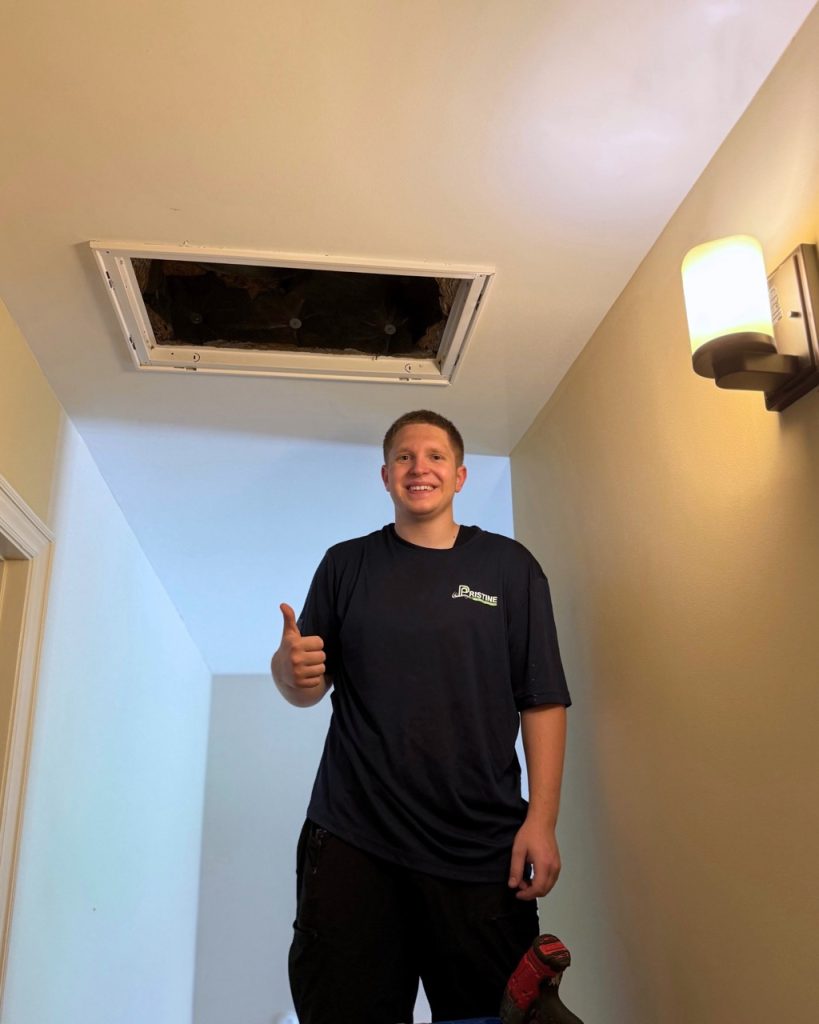
The Role of Professional Air Duct Cleaning
When dust returns quickly after cleaning, attention often turns to the ventilation system.
Professional air duct cleaning can help by:
- Removing built-up dust from duct interiors
- Reducing airborne particle circulation
- Improving overall indoor air quality
- Supporting HVAC system efficiency
Choosing a provider that follows industry standards, such as a NADCA-certified company, ensures the process is performed correctly. Many homeowners review guidance on why working with a NADCA certified company matters when addressing persistent dust issues.
How Often Should Air Ducts Be Evaluated
Dust conditions vary by household, but certain factors increase the need for duct evaluation. Homes with pets, recent renovations, allergies, or visible dust buildup may benefit from a professional assessment. Charlotte residents often explore local service information to understand how climate and home design influence indoor air quality. Regular evaluation helps prevent dust from accumulating to problematic levels.
Conclusion
Dust returning quickly in Charlotte homes is rarely caused by poor cleaning habits. Instead, it is often the result of hidden sources such as air ducts, HVAC circulation, inadequate filtration, outdoor infiltration, and trapped particles in soft surfaces. Understanding these factors allows homeowners to focus on long-term solutions rather than repeated surface cleaning. Addressing airflow systems and indoor air quality plays a critical role in reducing recurring dust. For homeowners seeking professional insight, Pristine Air Duct Cleaners offers access to educational resources, local service information, contact options, and background details throughout the website, including support from a NADCA-certified team.
Frequently Asked Questions
1. Why does dust come back so fast after cleaning?
Hidden sources like air ducts and HVAC systems continuously release dust.
2. Can air ducts really affect dust levels that much?
Yes, ducts can hold years of accumulated debris.
3. Do air filters stop dust completely?
Filters help, but they must be high-quality and properly maintained.
4. Does humidity affect indoor dust?
Yes, humidity influences how dust moves and settles.
5. Is dust worse in older homes?
Older homes often have more gaps and older duct systems.
6. Can pets increase indoor dust?
Yes, pet dander and fur contribute significantly.
7. How often should ducts be checked?
Inspection is recommended when dust problems persist.
8. Is construction dust a long-term issue?
Yes, construction particles can linger without proper cleaning.
9. Does vacuuming remove all dust?
Vacuuming removes surface dust but not hidden sources.
10. Why choose a NADCA-certified company?
NADCA certification ensures proper cleaning standards and procedures.