
A Charlotte homeowner recently scheduled an HVAC inspection after noticing that utility bills had gradually increased over the previous year. The heating and cooling equipment was only six years old, so they assumed the system should still be performing like new. During the evaluation, the equipment itself appeared to be in good condition. The larger concern was the airflow system supporting it. Dust buildup, partially restricted vents, and several duct issues were making it harder for conditioned air to move efficiently throughout the home.
The homeowner’s main concern was avoiding costly repairs, and that conversation quickly turned into a discussion about maintenance.
Many people view their HVAC equipment as one of the most important investments in their home. Heating and cooling systems represent a significant expense, and most homeowners want those systems to operate reliably for as long as possible. While annual HVAC tune-ups often receive attention, air duct maintenance is frequently overlooked despite playing a critical role in overall system performance.
Understanding how duct maintenance supports HVAC operation can help homeowners protect that investment while maintaining comfort throughout the year.
Your HVAC System Relies on More Than the Equipment
When homeowners think about HVAC maintenance, they usually focus on the furnace, heat pump, or air conditioner.
Those components are certainly important, but they are only part of the system.
The ductwork functions as the delivery network responsible for moving conditioned air throughout the home. Without proper airflow, even the most advanced heating and cooling equipment cannot perform efficiently.
Think of the HVAC unit as the engine and the ductwork as the road system. A powerful engine still struggles if the roads become congested or damaged.
This is one reason many property owners exploring professional air duct maintenance solutions discover that airflow management plays a major role in overall HVAC performance.
Protecting the equipment begins with supporting the entire system.
Airflow Is Essential for HVAC Performance
Heating and cooling systems are designed to move a specific amount of air.
When airflow becomes restricted, the system may need to work harder to achieve desired temperatures. Longer operating cycles can develop, comfort may become inconsistent, and performance often suffers.
Several factors can contribute to reduced airflow, including:
- Dust accumulation
- Debris buildup
- Duct leaks
- Blocked vents
- Dirty filters
- Poor airflow balance
Over time, even relatively small restrictions can affect how efficiently conditioned air reaches different areas of the home.
This does not mean every system with dust requires cleaning. However, airflow should always be evaluated when performance concerns arise.
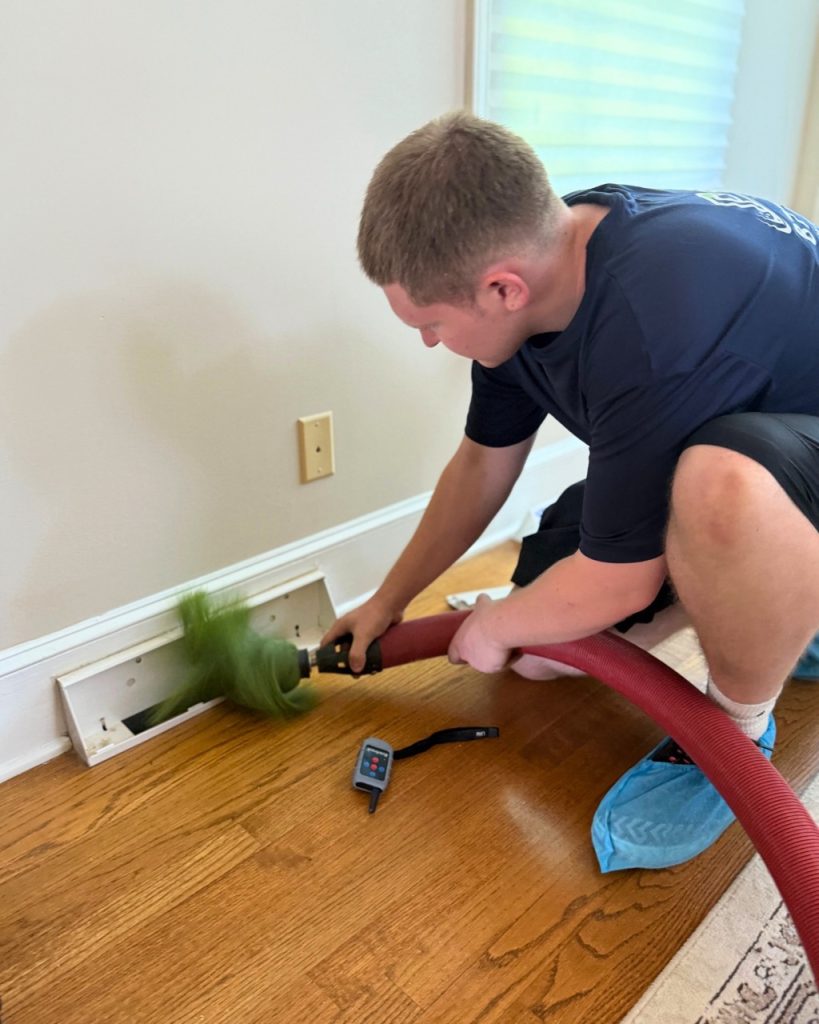
Charlotte’s Climate Creates Year-Round HVAC Demands
Charlotte’s weather places consistent demands on heating and cooling equipment.
Summer brings heat and humidity that often require extended cooling cycles. During winter, heating systems continue operating regularly even though temperatures are generally milder than in northern regions.
Spring introduces heavy pollen seasons, while fall often produces fluctuating temperatures that cause HVAC systems to cycle frequently.
Because equipment operates throughout much of the year, maintaining efficient airflow becomes especially important.
The harder a system works, the more important proper airflow becomes.
Local environmental conditions are one reason HVAC maintenance strategies often vary from region to region.
Dust and Debris Can Affect System Operation
A second service call illustrates how seemingly minor issues can influence performance.
After purchasing a home built more than twenty years ago, a Charlotte family noticed that certain rooms were difficult to cool during summer afternoons. The HVAC equipment had recently been serviced and appeared to be functioning properly.
Inspection revealed a combination of factors, including debris accumulation inside portions of the ductwork and airflow restrictions at several supply registers.
The practical takeaway was not that duct cleaning alone solved the problem. Rather, addressing airflow issues allowed the system to distribute conditioned air more effectively.
This example highlights an important point. HVAC performance depends on the entire air delivery system working together.
Air Duct Maintenance Helps Support Efficiency
One of the most common questions homeowners ask is whether duct maintenance helps improve efficiency.
The answer depends on the condition of the system.
When airflow pathways remain unobstructed and properly maintained, HVAC equipment can operate under the conditions it was designed for.
Benefits may include:
- Improved airflow
- Better temperature consistency
- Reduced strain on components
- More effective air distribution
- Enhanced overall comfort
No reputable company should guarantee energy savings because every system is different.
What can be said is that maintaining proper airflow supports normal HVAC operation and helps the system perform as intended.
This is why HVAC Air Duct Cleaning Charlotte is often discussed as part of a broader maintenance strategy rather than a standalone service.
Duct Leaks Can Create Hidden Problems
Not all airflow issues involve dust buildup.
Duct leakage is another common concern.
Return ducts with loose connections or damaged sections can pull air from attics, crawl spaces, or wall cavities instead of drawing air solely from living spaces.
This can introduce:
- Dust
- Insulation particles
- Outdoor contaminants
- Unconditioned air
At the same time, supply duct leaks may allow conditioned air to escape before reaching occupied rooms.
These hidden problems often reduce system effectiveness while increasing workload on the HVAC equipment.
Routine duct inspections help identify issues that homeowners cannot easily see.
Air Filters and Duct Maintenance Work Together
Many homeowners assume replacing the air filter is enough to maintain the system.
Filters are extremely important, but they are only one part of the equation.
During inspections, technicians frequently discover:
- Incorrect filter sizes
- Delayed replacement schedules
- Air bypassing filtration areas
- Poor filter installation
Even high-quality filters cannot address every airflow challenge.
When filtration and duct maintenance work together, the HVAC system is better positioned to operate efficiently.
This balanced approach often produces better results than relying on any single maintenance task.
Post-Renovation Inspections Can Protect HVAC Systems
Construction projects generate large amounts of airborne debris.
Drywall dust, sawdust, flooring particles, and insulation fibers often find their way into HVAC systems during remodeling work.
Months later, homeowners sometimes report:
- Increased dust accumulation
- Reduced airflow
- Dirty vent covers
- Comfort concerns
In many cases, inspection reveals renovation-related debris inside portions of the duct network.
Evaluating the system after major construction helps ensure that hidden debris is not affecting HVAC performance.
Preventive maintenance is often less expensive than addressing larger problems later.
Indoor Air Quality and HVAC Protection Are Connected
Many homeowners think of indoor air quality and HVAC performance as separate topics.
In reality, they are closely connected.
A system that circulates air efficiently supports both comfort and cleanliness. Proper airflow helps distribute conditioned air more effectively while supporting filtration performance.
Industry organizations such as NADCA provide standards that help professionals evaluate duct conditions and determine when maintenance or cleaning may be appropriate.
Following recognized industry guidance helps ensure recommendations remain focused on actual system needs.
The goal is not simply cleaner ducts. The goal is to maintain a healthy and efficient airflow system.
Dryer Vent Maintenance Matters Too
Protecting HVAC investments often involves looking beyond the HVAC equipment itself.
Dryer vents are frequently overlooked during routine maintenance planning.
Restricted dryer vents can create ventilation issues, increase dryer operating times, and contribute to lint accumulation around laundry areas.
Although separate from HVAC ductwork, maintaining these systems supports overall airflow management within the home.
Property owners interested in broader ventilation maintenance can review information about professional dryer vent cleaning services.
A complete maintenance strategy often delivers the greatest long-term value.
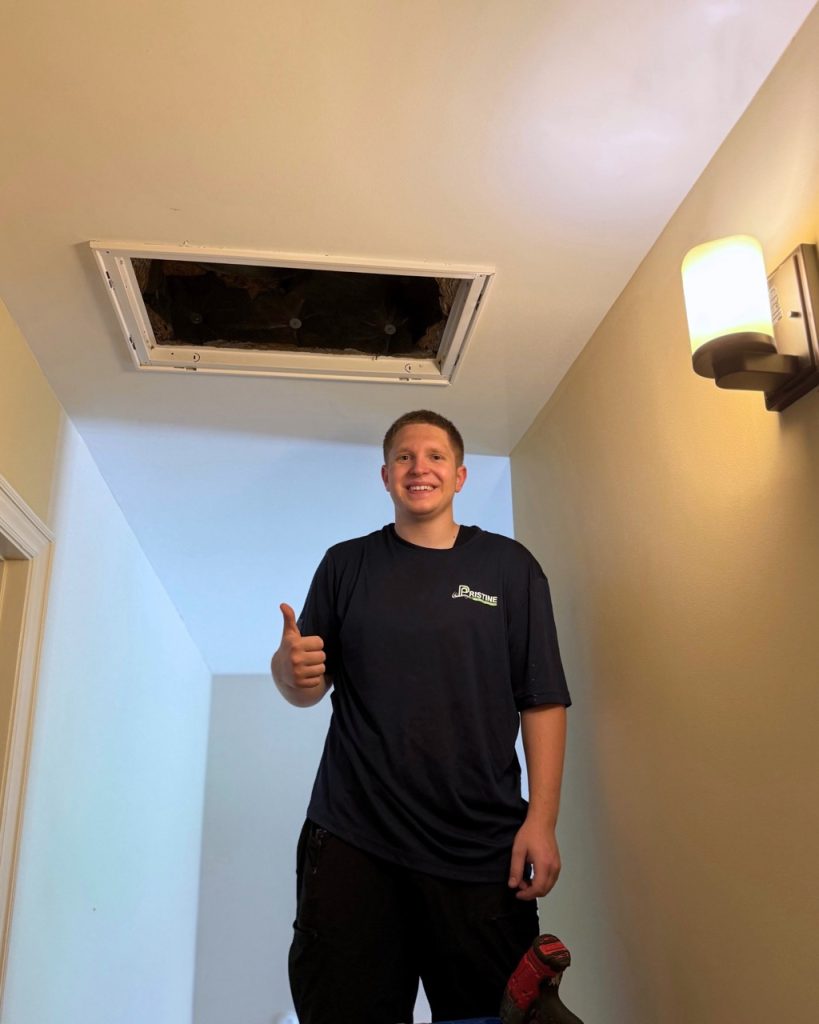
Signs It May Be Time for a Duct Inspection
Routine inspections help identify issues before they become larger problems.
Homeowners may benefit from an evaluation if they notice:
- Uneven room temperatures
- Weak airflow
- Increased dust accumulation
- Rising utility bills
- Post-renovation concerns
- Visible vent debris
- Frequent HVAC operation
These signs do not automatically indicate the need for cleaning, but they often justify a closer look.
A professional inspection helps determine the most appropriate next steps.
Why Local Experience Matters
Charlotte homes vary widely in age, design, and construction style.
Older neighborhoods often contain aging duct systems that have undergone multiple repairs or renovations. Newer developments may face different airflow and maintenance considerations.
Understanding local building characteristics helps technicians identify issues more efficiently.
Homeowners interested in local service information can learn more through the company’s Charlotte area service page.
Regional knowledge often provides valuable context when evaluating HVAC performance concerns.
Protecting Your HVAC Investment for the Long Term
After years of inspecting HVAC systems throughout Charlotte, one observation remains consistent: equipment performs best when the entire airflow system receives attention, not just the mechanical components.
Air duct maintenance helps support proper airflow, temperature consistency, filtration effectiveness, and overall system operation. While no maintenance strategy can prevent every repair, addressing airflow issues early often helps reduce unnecessary strain on heating and cooling equipment.
For homeowners looking to better understand their system’s condition, a professional evaluation is often the most practical first step.
If questions remain about airflow, ductwork, or HVAC performance, additional guidance is available through the contact page.
FAQ Section
Why is air duct maintenance important for HVAC systems?
Air duct maintenance helps support proper airflow, which is essential for heating and cooling equipment to operate efficiently.
Can dirty ducts affect HVAC performance?
Substantial debris accumulation may restrict airflow and make it harder for the system to distribute conditioned air effectively.
Does Air Duct Cleaning Charlotte, NC help protect HVAC equipment?
When inspection findings reveal airflow restrictions or buildup, professional cleaning may support normal system operation.
How often should air ducts be inspected?
Inspection schedules vary, but evaluations are often recommended when airflow concerns, comfort issues, or renovation projects occur.
Can duct leaks impact HVAC efficiency?
Yes. Leaky ducts can allow conditioned air to escape and may introduce dust or unconditioned air into the system.
What are the signs of airflow problems?
Weak airflow, uneven room temperatures, excessive dust, and longer HVAC operating cycles are common indicators.
Is Professional Air Duct Cleaning Charlotte recommended after remodeling?
Construction projects often generate debris that can enter ductwork, making post-renovation inspections beneficial.
Can air duct maintenance improve indoor comfort?
Maintaining proper airflow can help support more consistent temperatures and better air circulation throughout the home.
How does Charlotte’s climate affect HVAC maintenance?
Frequent heating and cooling use, seasonal pollen, and humidity create ongoing demands on HVAC systems throughout the year.
When should I contact an HVAC professional about duct concerns?
Consider an inspection if you notice persistent airflow issues, dust accumulation, comfort problems, or signs of duct damage.
Ready to breathe cleaner air? Get your free estimate from Charlotte’s #1-rated air duct cleaning team