
Homeowners in Charlotte often face ongoing challenges related to humidity, moisture, and seasonal weather patterns. While visible areas of the home usually receive the most attention, one of the most important spaces is often hidden beneath it. The crawlspace plays a major role in maintaining structural integrity, indoor air quality, and energy efficiency.
In Charlotte’s humid climate, crawlspaces are constantly exposed to moisture from the ground, outside air, and temperature changes. Over time, this creates a damp environment that can lead to mold growth, pest infestations, and structural damage. These issues do not stay contained. They can spread throughout the home, affecting both comfort and long-term maintenance costs.
Because of these risks, many homeowners begin exploring long term moisture control systems designed to protect and seal crawlspaces as a way to improve both air quality and home performance. Understanding whether this investment is truly worth it requires looking at both the short-term benefits and long-term impact.
Why Crawlspaces Are a Problem in Charlotte Homes
Charlotte’s climate creates ideal conditions for crawlspace issues to develop. High humidity levels throughout the year mean that moisture is constantly present in the air. When this humid air enters crawlspaces, it cools and condenses on surfaces such as wood, insulation, and pipes.
Over time, this repeated condensation leads to persistent dampness that does not easily dry out. Many crawlspaces are also vented, allowing outside air to enter freely, which further increases moisture levels instead of reducing them.
In addition, moisture can rise from the soil beneath the home. Without proper barriers, this ground moisture contributes to the overall humidity inside the crawlspace. Homes located in areas with consistent humidity and environmental exposure are especially affected by these conditions. This makes crawlspace issues more common and more severe compared to drier regions.
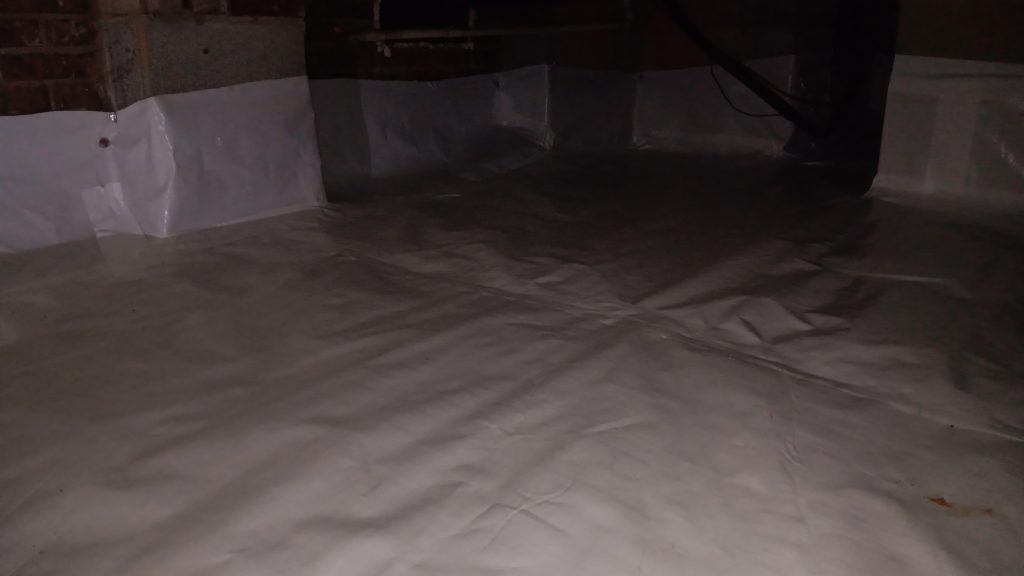
Common Problems Caused by Unsealed Crawlspaces
When crawlspaces are not properly sealed or protected, moisture creates a chain reaction of problems that can affect the entire home.
Some of the most common issues include:
- Mold and mildew growth on wood and insulation
- Structural weakening due to wood rot
- Increased pest activity, including termites and rodents
- Musty odors entering living spaces
- Reduced insulation effectiveness, leading to higher energy bills
These problems often start small but grow over time. For example, mold may begin in a small area but can spread quickly if moisture levels remain high. Similarly, pests are attracted to damp environments and can cause additional damage once they enter. Homeowners who stay informed through practical maintenance guides and air quality resources are better equipped to recognize these problems early and take action before they escalate.
How Crawlspace Conditions Affect Indoor Air Quality
One of the most overlooked aspects of crawlspace issues is their direct impact on indoor air quality. Many homeowners assume that the air inside their home is separate from the crawlspace, but this is not the case.
Air naturally moves from lower levels of the home to upper levels. This means that air from the crawlspace is pulled into living spaces through a process known as the stack effect. If the crawlspace contains moisture, mold, or contaminants, those particles are carried into the home.
Over time, this can lead to increased allergens, persistent odors, and a noticeable decline in air freshness. For individuals with allergies or respiratory conditions, the effects can be even more significant. Improving crawlspace conditions is one of the most effective ways to improve the air you breathe inside your home.
Key Benefits of Crawlspace Encapsulation
Crawlspace encapsulation is designed to address the root cause of these issues by sealing the space and controlling moisture levels.
Key benefits include:
- Significant reduction in humidity and moisture
- Prevention of mold growth and spread
- Improved indoor air quality throughout the home
- Protection against pests and infestations
- Increased energy efficiency and comfort
Encapsulation creates a controlled environment that prevents outside air and moisture from entering. This not only protects the crawlspace but also improves conditions throughout the home. Homeowners who invest in professional crawlspace sealing and moisture control solutions often notice immediate improvements in comfort, air quality, and overall home performance.
Is Crawlspace Encapsulation Worth the Investment
The cost of crawlspace encapsulation is often a concern for homeowners, but it is important to consider the long-term value it provides. While the upfront investment may seem significant, it can help prevent much more expensive problems in the future.
Without encapsulation, issues such as mold, structural damage, and pest infestations can lead to costly repairs. In addition, poor insulation and airflow can increase energy bills over time.
Encapsulation addresses these problems at their source, reducing the likelihood of future damage and improving efficiency. For many homeowners, the combination of improved comfort, better air quality, and long-term savings makes it a worthwhile investment.
Long-Term Savings and Energy Efficiency Benefits
One of the most important advantages of crawlspace encapsulation is its impact on energy efficiency. When moisture is controlled, insulation performs more effectively, and air moves more efficiently through the home.
Key benefits include:
- Lower heating and cooling costs
- Reduced strain on HVAC systems
- Improved temperature consistency
- Fewer maintenance and repair needs
- Longer lifespan for home components
By reducing energy loss and improving airflow, encapsulation helps homeowners save money over time. This makes it not only a protective measure but also a practical investment in long-term efficiency.
Why Professional Standards and Certification Matter
Crawlspace encapsulation must be done correctly to be effective. Improper installation can lead to continued moisture problems and reduced performance.
Working with professionals who follow industry standards ensures that the process is completed properly. This includes correct sealing techniques, proper installation of vapor barriers, and attention to airflow and drainage.
Companies that align with recognized standards, including NADCA-related practices for indoor air quality, provide a higher level of reliability. Homeowners who want to understand these standards often review why certified service practices are important for maintaining air quality before making a decision.
When Should You Consider Crawlspace Encapsulation
Not every home requires immediate encapsulation, but there are clear signs that indicate it may be necessary. Recognizing these signs early can help prevent more serious issues.
Common indicators include:
- Persistent moisture or dampness in the crawlspace
- Visible mold growth or musty odors
- Increased indoor humidity levels
- Pest infestations or structural damage
- Rising energy bills without a clear explanation
If these signs are present, taking action sooner rather than later can help avoid costly repairs. Staying informed through trusted homeowner resources and maintenance insights can help guide your decision.
Conclusion
Crawlspace encapsulation is one of the most effective ways to protect your home from moisture-related issues, especially in a climate like Charlotte. High humidity and environmental conditions create ongoing challenges that can affect both the structure of your home and the quality of the air inside it.
By sealing the crawlspace and controlling moisture, encapsulation provides long-term benefits that go beyond immediate comfort. It helps prevent mold growth, reduces energy costs, and improves overall home performance. For many homeowners, the decision comes down to long-term value. When compared to the potential cost of repairs and ongoing maintenance, encapsulation offers a reliable and lasting solution.
To learn more, you can explore advanced crawlspace protection and moisture control solutions, understand local environmental challenges in Charlotte, review helpful home maintenance and air quality resources, learn why certified standards ensure better results, or connect directly through the contact page.
FAQs
1. Is crawlspace encapsulation really worth it
Yes, it helps prevent moisture damage, improves air quality, and reduces long-term maintenance costs.
2. Why is it important in Charlotte
High humidity makes moisture buildup more likely, increasing the risk of mold and damage.
3. Does encapsulation improve indoor air quality
Yes, it prevents contaminants from entering living spaces through the crawlspace.
4. Can it reduce energy bills
Yes, it improves insulation and reduces HVAC strain.
5. How long does encapsulation last
With proper installation, it can last many years.
6. What problems does it solve
Moisture, mold, pests, and structural issues.
7. Is professional installation necessary
Yes, proper installation ensures long-term effectiveness.
8. When should I consider encapsulation
When you notice moisture, odors, pests, or high humidity.
9. Does it prevent mold completely
It significantly reduces the conditions that allow mold to grow.
10. What is the biggest benefit
Long-term protection, better air quality, and improved comfort.