
A homeowner in Charlotte recently shared a frustration that many people can relate to. Every Saturday was dedicated to cleaning. Furniture was dusted, floors were vacuumed, and shelves were wiped down. Yet by Wednesday, a visible layer of dust had already returned. The homeowner initially assumed nearby road traffic was the cause. After inspecting the property, several contributing factors were uncovered. The HVAC filter was overdue for replacement, dust had accumulated inside portions of the ductwork, and a few return duct connections showed signs of leakage that were allowing particles from an attic space to enter the system.
The biggest surprise was that the dust problem did not have a single source.
That is often the case. Household dust is created by a combination of indoor and outdoor factors, and the condition of the air duct system can play a role in how those particles move throughout a home.
Understanding this connection helps explain why some homes seem to stay dusty no matter how often they are cleaned.
Dust Comes From More Places Than Most People Realize
When people notice dust accumulating on furniture, they often assume it is dirt entering from outside.
In reality, much of the dust found indoors is generated inside the home itself.
Common sources include:
- Fabric fibers
- Carpet particles
- Pet dander
- Human skin cells
- Paper fibers
- Cooking residue
- Outdoor pollen
- Soil tracked indoors
Every day activities continuously release small particles into the air. Walking across a carpet, sitting on upholstered furniture, folding laundry, and even making a bed can send particles airborne.
These materials eventually settle onto surfaces, only to become airborne again later through movement and air circulation.
This ongoing cycle is why dust is a normal part of every indoor environment.
Air Ducts Influence How Dust Moves Through a Home
Air ducts are responsible for distributing heated and cooled air throughout the house.
As air travels through the system, it carries microscopic particles along with it. Most of these particles are captured by the air filter, but not all of them.
Over time, some debris can accumulate within sections of the ductwork.
This does not automatically mean the ducts are causing dust problems. A certain amount of buildup is expected in many systems. However, when substantial accumulation exists, it may contribute to circulating particles under certain conditions.
This is one reason homeowners looking into professional air distribution system cleaning often do so after noticing recurring dust concerns.
The relationship between dust and ductwork is less about creating dust and more about how existing particles move throughout the living space.
Charlotte’s Environment Contributes to Indoor Dust
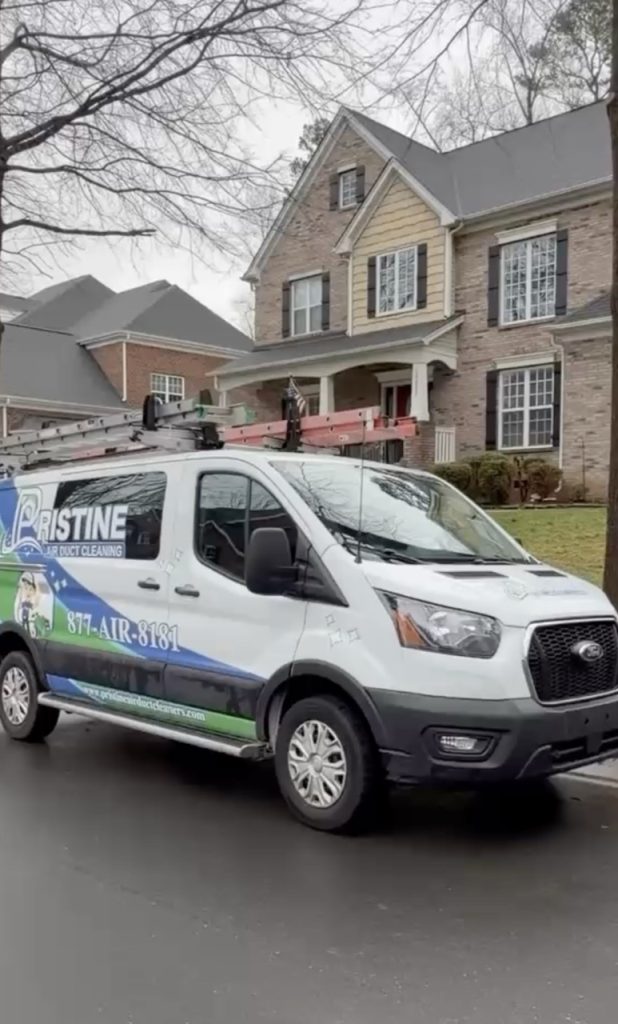
Charlotte residents face environmental factors that influence indoor dust levels throughout the year.
Spring pollen seasons are particularly noticeable. Fine yellow pollen covers vehicles, patios, sidewalks, and outdoor furniture. Even when windows remain closed, some pollen still finds its way indoors.
Seasonal weather patterns can also contribute to dust movement.
Hot summers lead to longer cooling cycles, while colder winter temperatures increase heating system usage. The more frequently the HVAC system operates, the more opportunities there are for airborne particles to circulate.
Residents interested in understanding how local conditions affect indoor environments can find additional information through the company’s Charlotte area service coverage.
Local climate factors often play a larger role than homeowners expect.
Leaky Ductwork Can Introduce Additional Dust
Not all dust originates within the occupied living areas.
A second inspection provides a good example.
A family living in an older Charlotte home struggled with excessive dust despite maintaining a consistent cleaning routine. During the evaluation, portions of the return ductwork were found to have small gaps and loose connections in the attic. These openings allowed dust and insulation particles to enter the air system before passing through occupied areas.
The practical takeaway was important: sometimes the issue is not what is already inside the ducts. Instead, it is what the duct system is pulling in from surrounding spaces.
Leaky return ducts can contribute to dust circulation when they draw air from attics, crawl spaces, or wall cavities rather than solely from living areas.
Air Filters Play a Major Role
When discussing dust control, air filters deserve significant attention.
Filters act as the first line of defense against airborne particles.
However, filters only work effectively when:
- They are changed regularly.
- They fit correctly.
- Air cannot bypass them.
- They are appropriate for the HVAC system.
Many dust-related service calls reveal filter problems rather than duct issues.
In some homes, the filter has not been replaced in months. In others, improperly sized filters allow air to move around the edges rather than through the filter media.
Simple filtration improvements often produce noticeable results.
Because of this, professional inspections frequently evaluate filtration systems before recommending any type of duct service.
Renovation Projects Often Increase Dust Problems
Home improvement projects generate large amounts of airborne debris.
Even careful contractors cannot completely eliminate construction dust.
Common sources include:
- Drywall particles
- Sawdust
- Flooring debris
- Insulation fibers
- Sanding residue
Months after a project is completed, homeowners sometimes continue noticing excessive dust accumulation.
Inspections occasionally reveal that construction debris entered portions of the duct system during the renovation process.
This is one reason many professionals recommend evaluating HVAC systems after major remodeling work.
The source of the dust may no longer be active, but the debris can remain inside the system if not properly addressed.
Pets and Household Activity Add to the Equation
Dust is not always linked to HVAC equipment.
Some of the dustiest homes inspected have perfectly clean duct systems.
Why?
Because everyday activity contributes significant amounts of airborne material.
Pets continuously shed hair and dander. Children moving throughout the house stir particles from carpets and furniture. Frequent foot traffic lifts settled dust into the air.
These everyday sources are often overlooked because they feel normal.
Recognizing them helps create realistic expectations. Even the cleanest HVAC system cannot completely eliminate dust generated by daily life.
How Air Duct Conditions Affect HVAC Performance
Dust concerns are often connected to airflow concerns as well.
When substantial debris accumulates within portions of a duct system, airflow may be affected.
Potential signs include:
- Dust buildup near vents
- Reduced airflow
- Uneven room temperatures
- Frequent filter loading
- Increased dust circulation
This does not mean every dusty home requires duct cleaning. It simply means duct conditions should be considered as part of a broader evaluation.
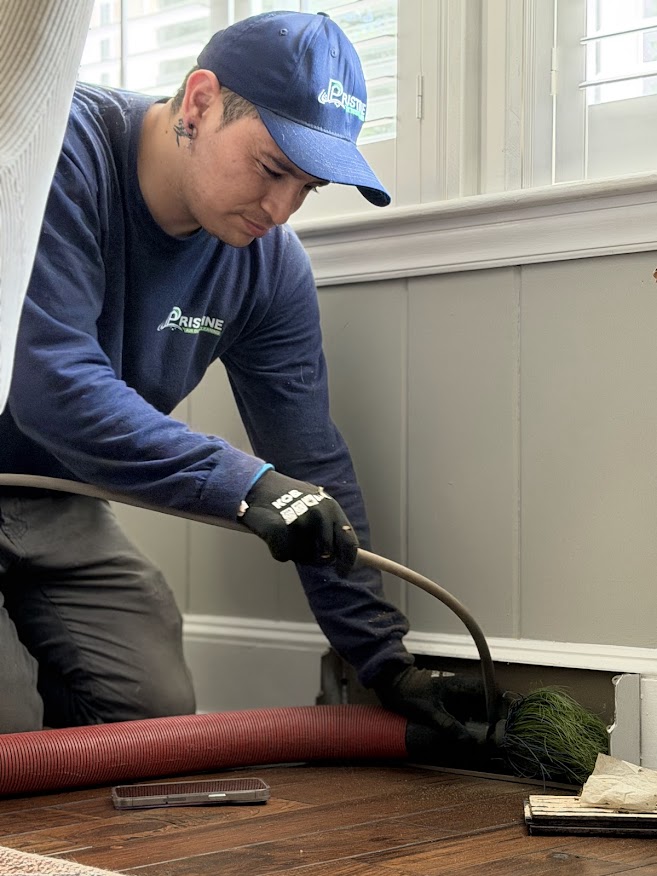
That is where HVAC Air Duct Cleaning Charlotte services may become appropriate when inspections reveal significant buildup affecting airflow or cleanliness.
The decision should always be based on actual findings.
Industry Standards Matter
Professional evaluation is important because not every system benefits from cleaning.
Industry organizations such as NADCA provide standards that help determine when cleaning is justified and how it should be performed.
These guidelines focus on:
- Inspection-based recommendations
- Proper cleaning procedures
- Equipment standards
- Professional best practices
Following recognized industry guidance helps ensure that recommendations remain objective and based on actual system conditions.
Homeowners should be cautious of anyone recommending cleaning without first evaluating the system.
Dryer Vents Are Another Frequently Overlooked Source
Dust complaints occasionally lead to discoveries outside the HVAC system.
Laundry areas sometimes contain excessive lint accumulation caused by restricted dryer vents or poorly sealed vent connections.
Although dryer vents serve a different purpose than HVAC ductwork, they can contribute to localized dust concerns when maintenance is neglected.
Property owners evaluating overall ventilation conditions may also benefit from reviewing information about professional dryer vent maintenance.
Looking at the entire airflow picture often produces the most effective results.
When Professional Air Duct Cleaning May Help
There is no universal answer for every dust problem.
However, a professional inspection may be worthwhile when homeowners notice:
- Persistent dust despite regular cleaning
- Visible buildup around vents
- Reduced airflow
- Recent remodeling projects
- Excessive debris inside registers
- Signs of duct leakage
In situations where substantial accumulation is present, Air Duct Cleaning Services Charlotte, NC may help reduce one source of circulating particles.
At the same time, filtration improvements, duct sealing, and routine HVAC maintenance often play equally important roles.
The most successful solutions address all contributing factors rather than focusing on a single cause.
Final Thoughts
After inspecting hundreds of HVAC systems throughout Charlotte, one observation remains consistent: household dust is rarely caused by one issue alone. Dust originates from everyday living, outdoor environmental conditions, filtration challenges, ventilation concerns, and sometimes the condition of the ductwork itself.
The key is understanding how these factors interact. A thorough inspection often reveals opportunities to improve indoor cleanliness and airflow without relying on guesswork. When recurring dust becomes a persistent frustration, evaluating the entire system usually provides the clearest path forward.
For additional guidance regarding indoor air concerns, homeowners can connect through the local contact page.
FAQ Section
Why does dust return so quickly after cleaning?
Dust can come from multiple sources, including fabrics, carpets, pet dander, pollen, filtration issues, and air circulation patterns.
Can dirty air ducts cause dust in a home?
Substantial debris accumulation inside ductwork may contribute to circulating particles under certain conditions.
How does Charlotte pollen affect indoor dust?
Seasonal pollen can enter through doors, windows, clothing, pets, and ventilation systems, adding to indoor dust levels.
Can leaky ducts make a house dustier?
Yes. Leaky return ducts can pull dust, insulation particles, and debris from attics or crawl spaces into the HVAC system.
Should I replace my air filter more often if my home is dusty?
Regular filter inspections are important. Homes with pets, high occupancy, or heavy HVAC use may require more frequent filter changes.
Does Air Duct Cleaning Charlotte, NC eliminate all dust?
No. Dust is a normal part of everyday life. Cleaning may address one source of circulating particles, but it cannot eliminate all dust.
What are the signs that ductwork may be contributing to dust problems?
Visible vent debris, excessive dust buildup, airflow issues, and post-renovation concerns may indicate the need for inspection.
Can remodeling projects affect indoor dust levels?
Yes. Construction debris can enter HVAC systems during renovation projects and continue circulating afterward.
Is Professional Air Duct Cleaning Charlotte recommended for every home?
No. Recommendations should be based on inspection findings rather than assumptions or age alone.
When should I schedule a duct inspection?
Consider an inspection if dust problems persist despite regular cleaning, filter replacement, and routine HVAC maintenance.
Ready to breathe cleaner air? Get your free estimate from Charlotte’s #1-rated air duct cleaning team